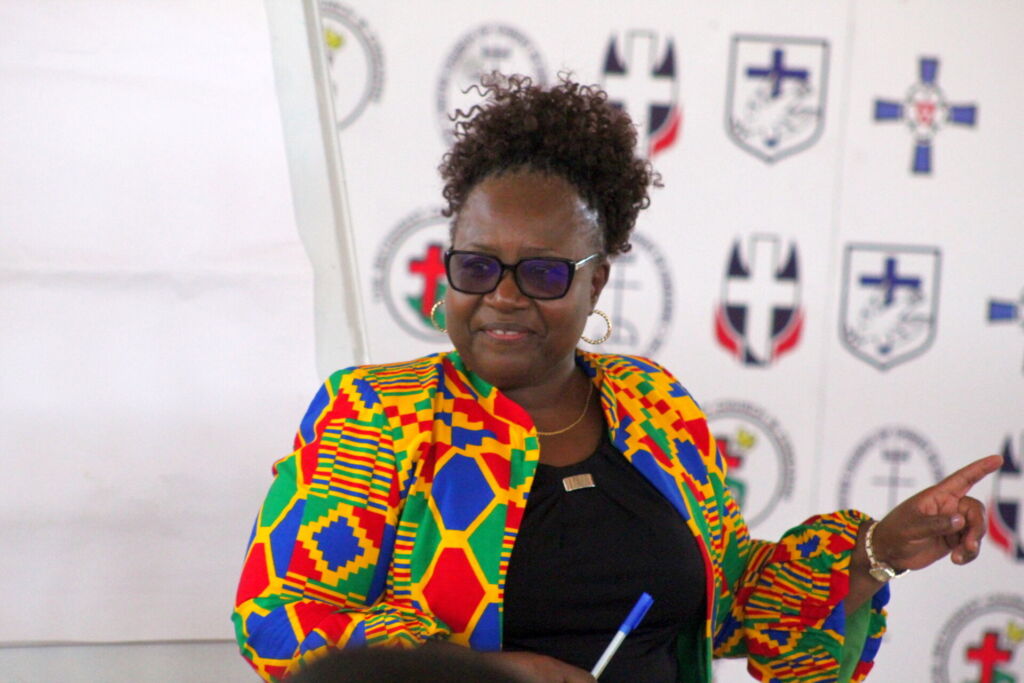
Harare, 16 October – The United Theological College (UTC) convened a capacity-building workshop for its senior students under the theme: “Faith leaders trained at UTC implement sustainable practices and advocate for environmental stewardship.”
The workshop was organised by UTC as part of preparations for third-year students ahead of their field placement exercise in the coming year. To enrich the deliberations, the college invited expert facilitators in the areas of climate justice and humanitarian programming.
The first session focused on Understanding Local Policymaking and was facilitated by Mr Wellington Madumira, National Coordinator for Climate Action Network Zimbabwe, and Mr. Shepherd Mugadza, Coordinator for the Southern Africa Region Climate Action Network.
Participants explored how local climate and environmental policies are developed, who makes decisions, and how communities can take part in the process. They also identified relevant decision-makers and opportunities for engagement.
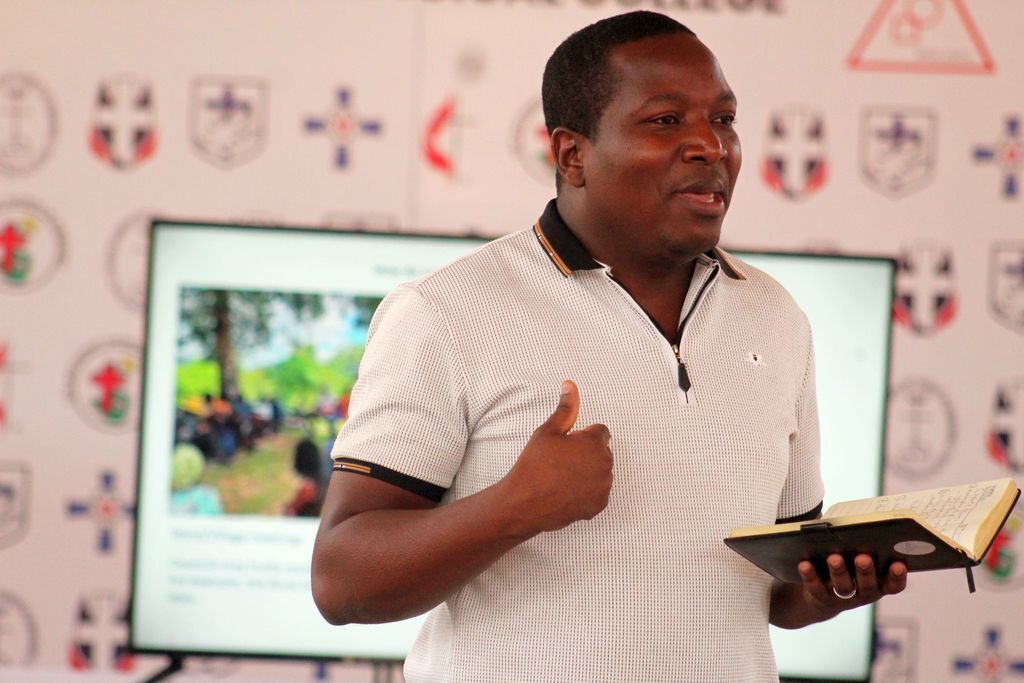
The second session, which examined Gendered Climate Action and Building a Clear Advocacy Case, was facilitated by Ms. Maria Tendai Dendere, Head of Programs – Humanitarian Services and Diakonia, who was invited from the Zimbabwe Council of Churches.
This session examined the causes and local impacts of climate change, including how these impacts may affect people differently based on gender. Participants considered policy responses such as waste reduction, clean energy, water conservation, and climate-resilient planning.
Using observed realities from across the country, they also discussed how to define an issue, gather credible evidence, identify an audience, craft a concise message, and make a specific policy request.
Speaking during the workshop, the Acting Principal of UTC, Rev. Joseph Bonga, emphasised the critical importance of the workshop on policymaking around environmental and gender issues. He highlighted that the training was particularly timely and relevant for third-year students as they prepare for their field placement exercise in the coming year.
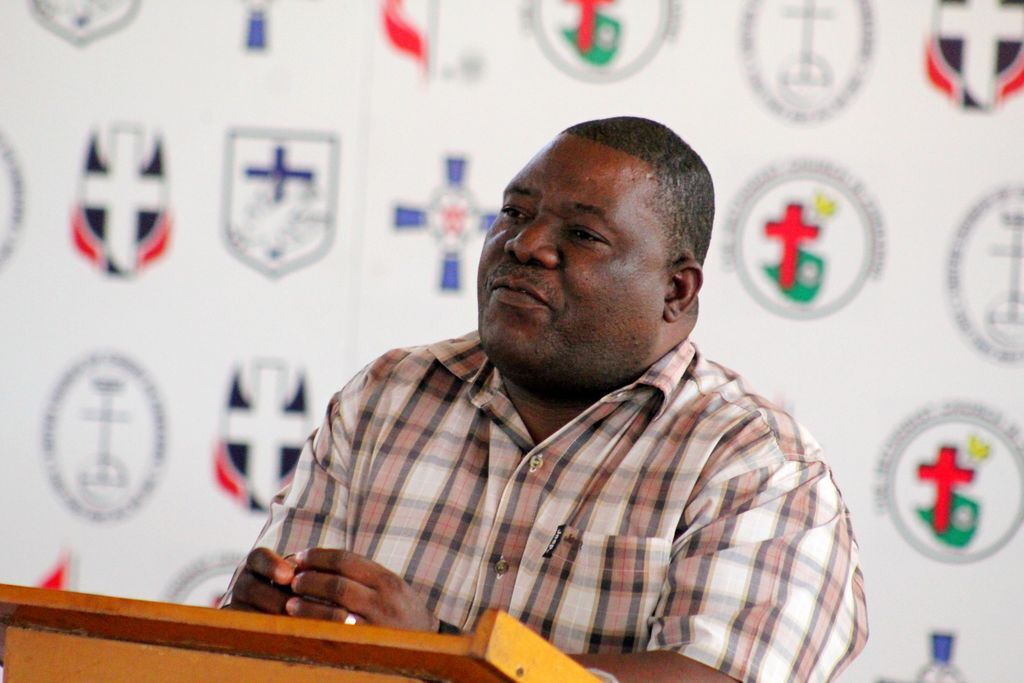
He noted that fieldwork presents a unique opportunity for students to engage directly with communities and institutions, and it is therefore imperative that they go into these spaces not only as ministers of the Word but also as informed advocates capable of influencing transformation.
He stressed that issues of environmental stewardship and gender justice are no longer peripheral concerns but central to the mission of the church and to sustainable community development.
Rev. Bonga encouraged the students to take the lessons from the workshop seriously and to apply them meaningfully during their placement and in their future ministry.
The workshop is part of the many programmes being implemented by UTC and supported by the Act Church of Sweden under their 2026-2028 partnership.