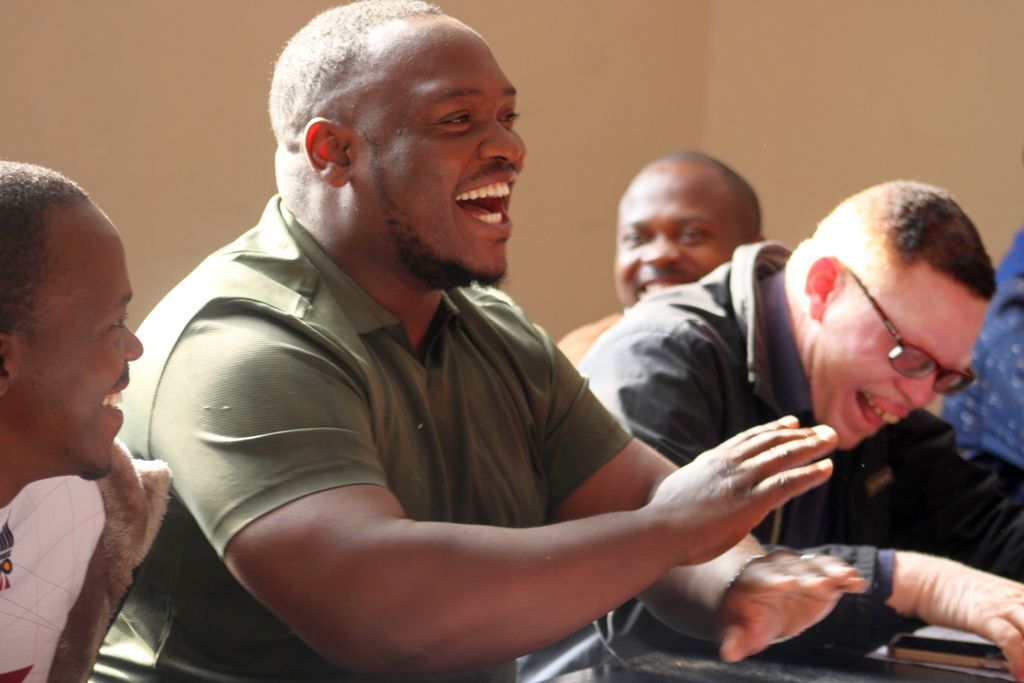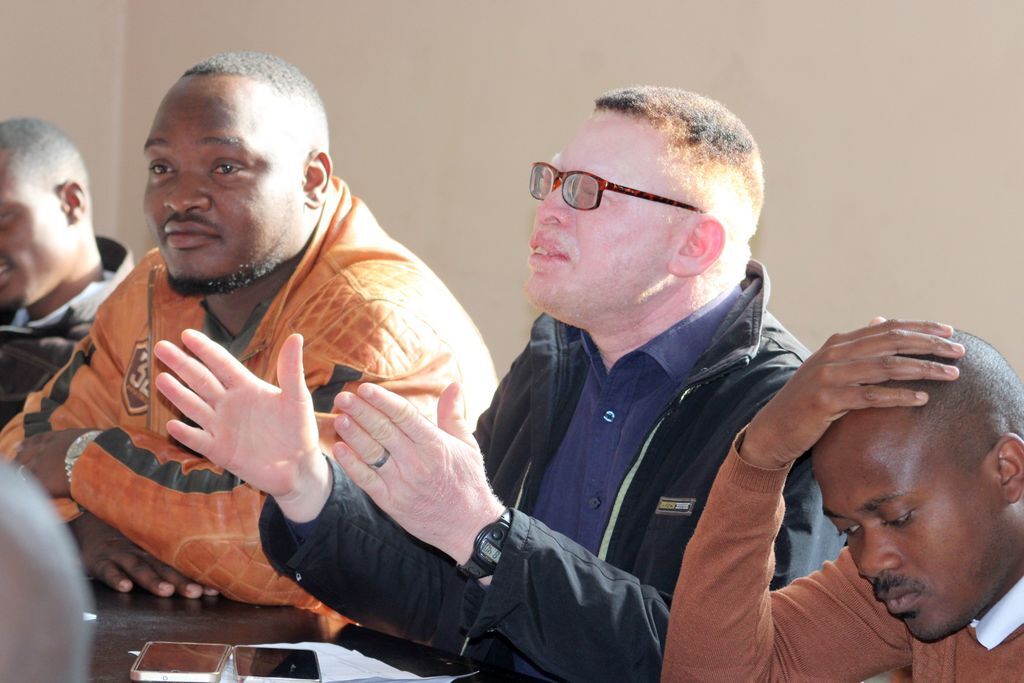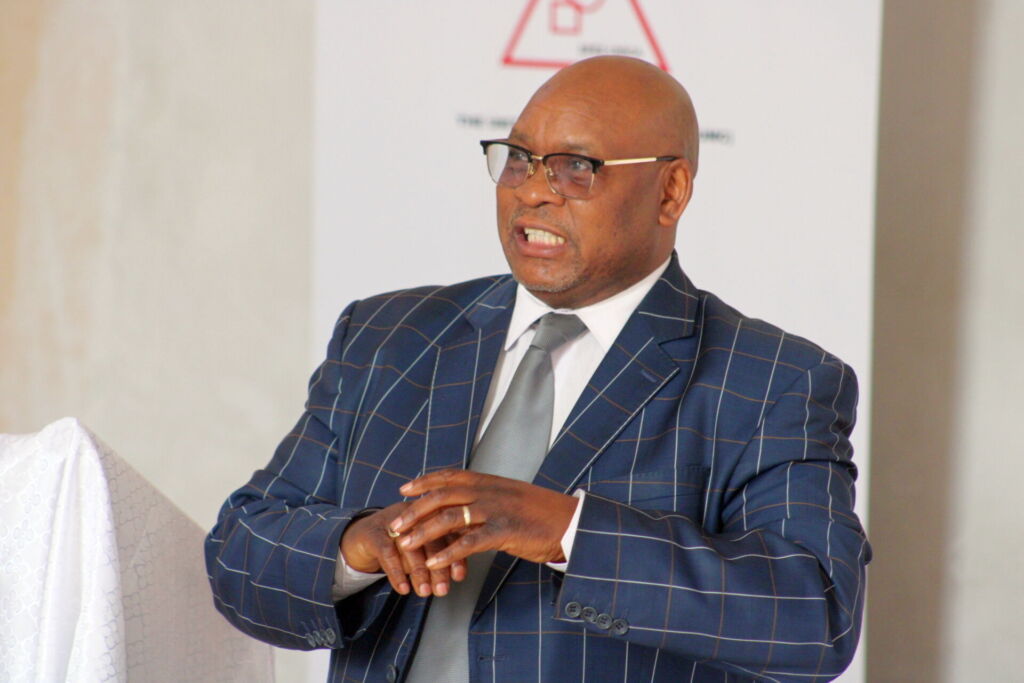
Today, 2 July 2026, marked the second day of United Theological College’s Fourth-Year Internship Seminar. The day featured several key sessions focused on ministerial formation, wellbeing, and practice.
Dr Mutsa Mujaji led the opening session on deportment, grooming, and etiquette for pastors. He walked participants through essential standards of appearance and conduct in ministry, stressing that a pastor’s presentation communicates respect for both God and the congregation. Key emphasis was placed on neatness, modesty, and cultural sensitivity in dress, as well as professional etiquette in speech, posture, and public engagement. A pastor, he noted, should embody dignity and discipline in ways that inspire trust and reflect the sacred office.
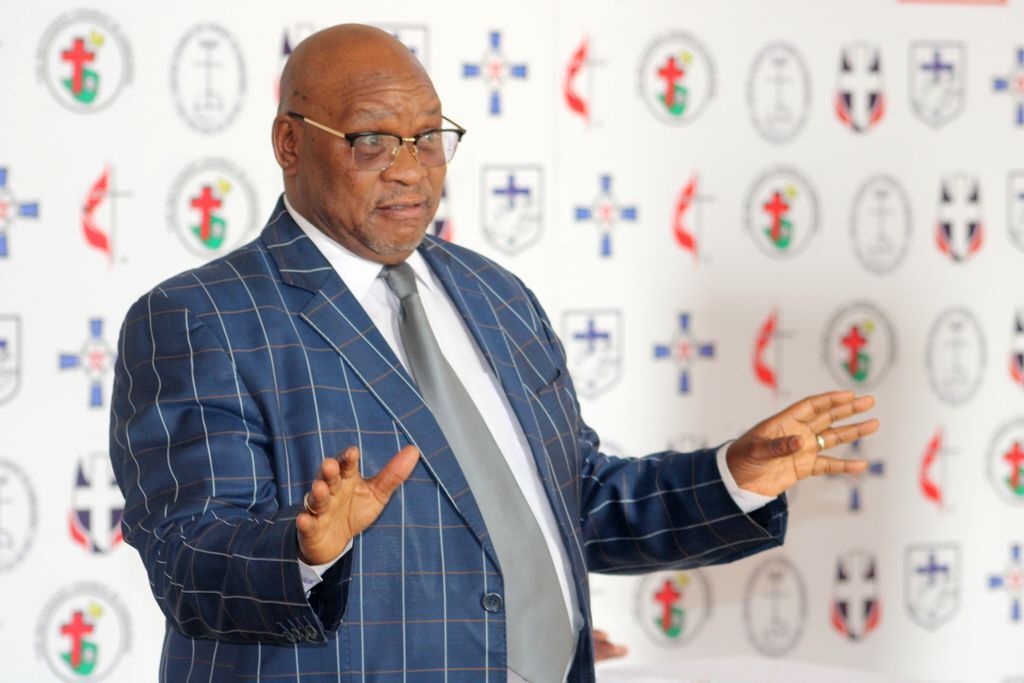
The second session, presented by Rev. Dr. Annanias Nyanjaya, addressed mental health challenges in ministry. He highlighted the often-overlooked reality that pastors, while counselling and supporting others, frequently lack safe spaces to process their own struggles. The demands of ministry, isolation, and unresolved trauma can weigh heavily on clergy wellbeing. Dr. Nyanjaya encouraged participants to normalise conversations around mental health, seek peer support, and access professional help when needed — noting that a pastor’s resilience strengthens the whole church.
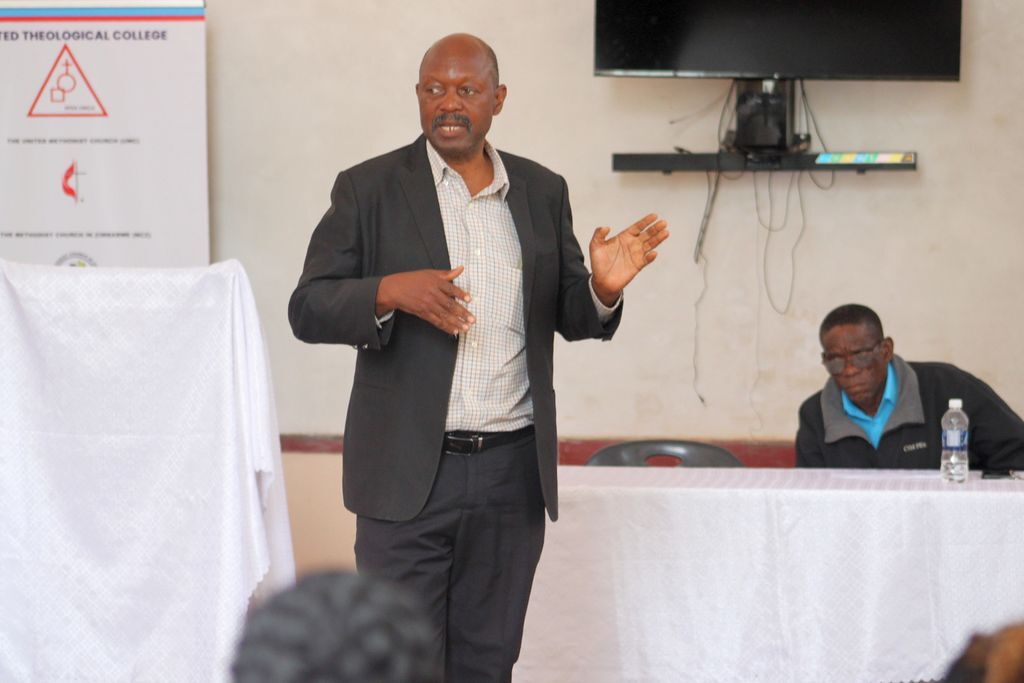
Rev. Dr. Peter Masvotore facilitated the third session on the intersection of theory and practice. He introduced participants to orthodoxy (right belief), orthopraxis (right practice), and orthopathy (right feeling), urging pastors to hold all three in balance. Central to his presentation was the action-reflection cycle, where ministers continuously reflect on parish experiences to inform future actions and adaptability. He underscored the theology of context, stressing that ministry is fundamentally relational — a minister must remain connected to the lived realities of those they serve. Dr. Masvotore cautioned against “ivory tower theology” — highly academic preaching detached from congregational life.
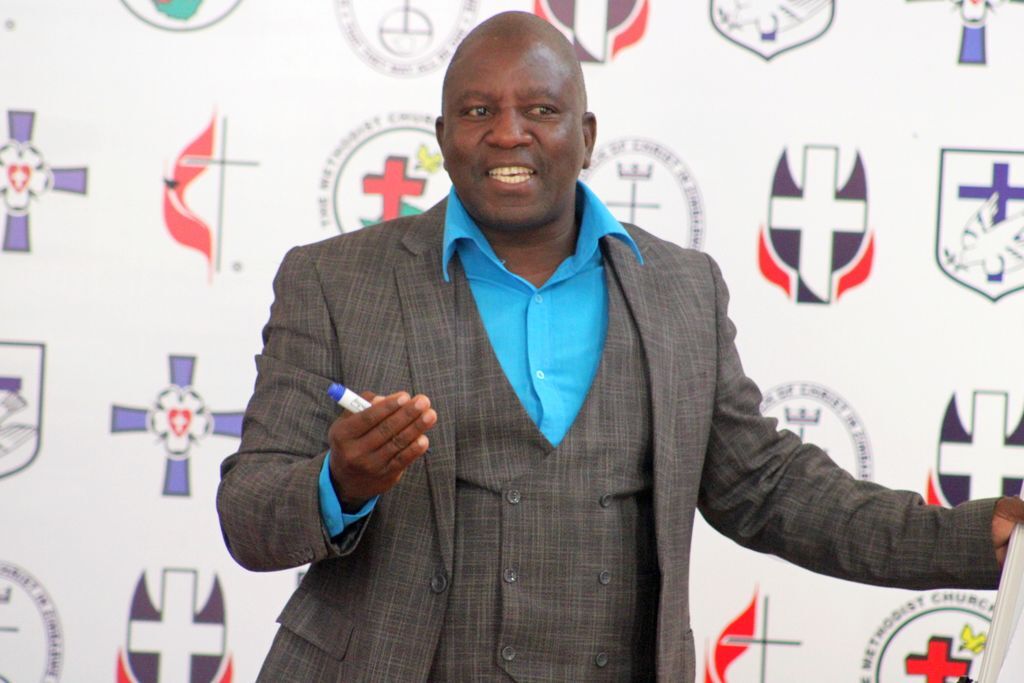
He also challenged participants on ministerial ethics, leaving them with James 1:21: “Therefore, get rid of all moral filth and the evil that is so prevalent and humbly accept the word planted in you, which can save you.”; and Philippians 4:9, “What you have learned and received and heard and seen in me — practice these things, and the God of peace will be with you.”.
The day also involved participants sharing their ministry experiences and reflections from their respective stations over the past six months. This segment provided valuable insights into how they have been able to settle and adapt within their communities, fostering peer learning and encouragement.