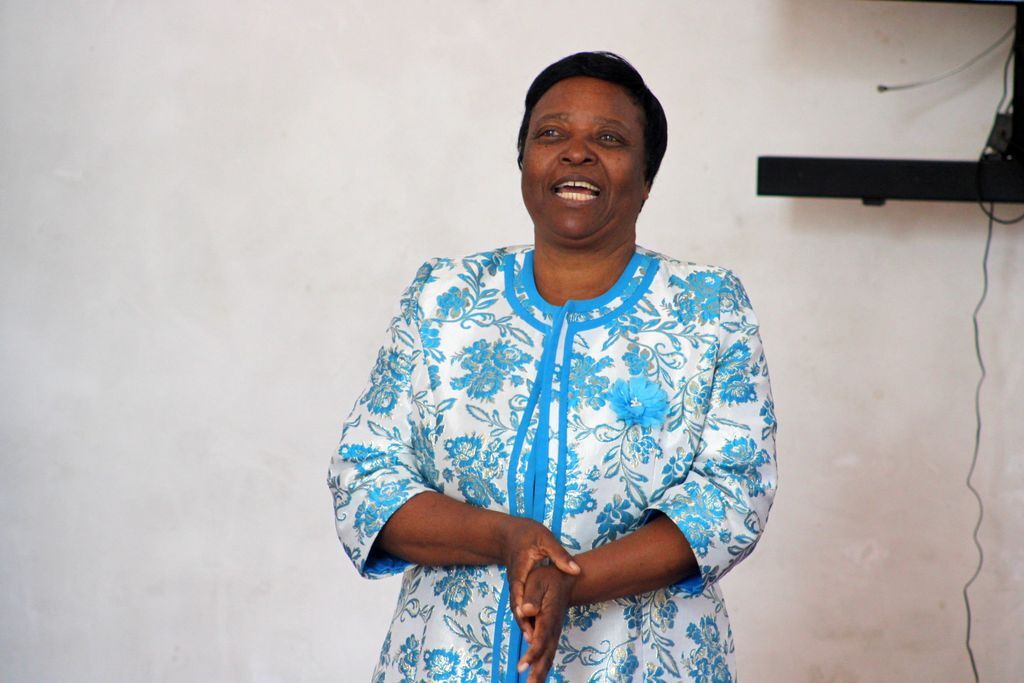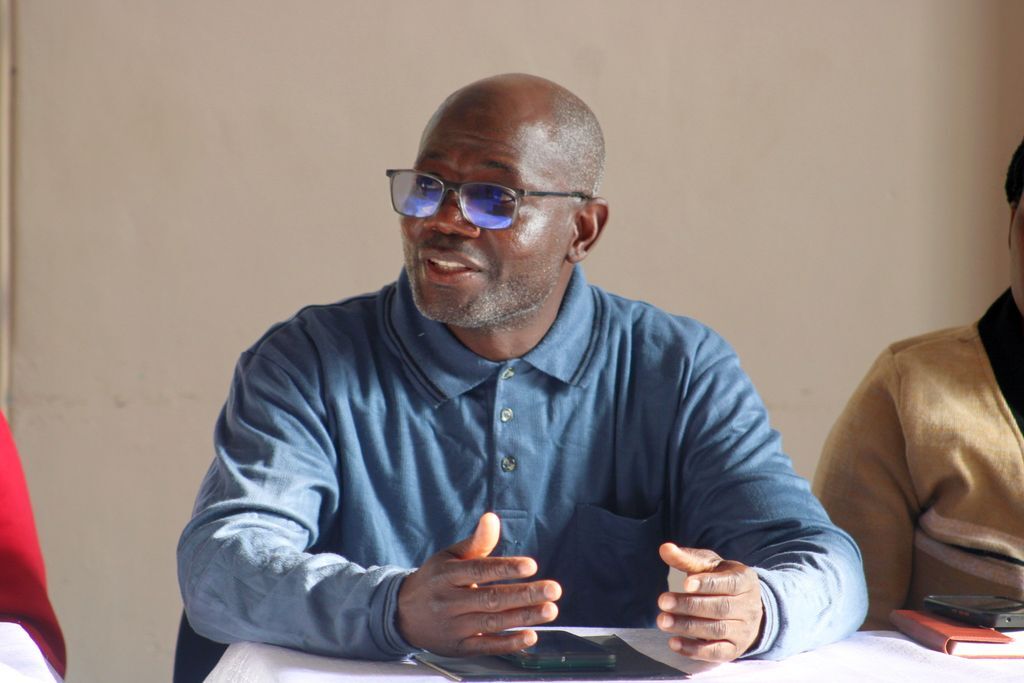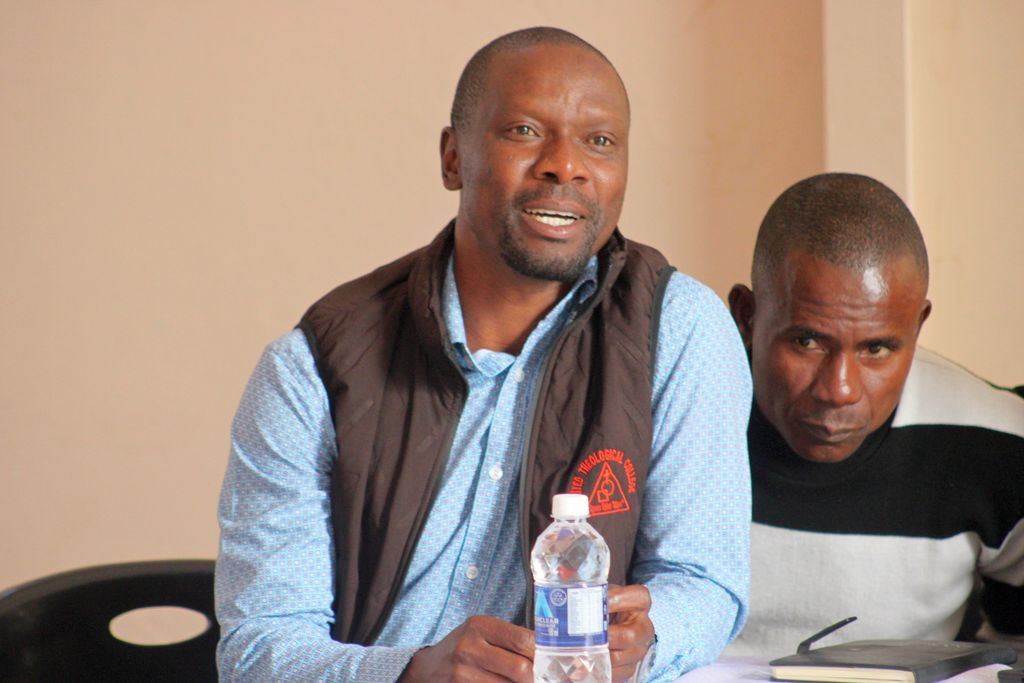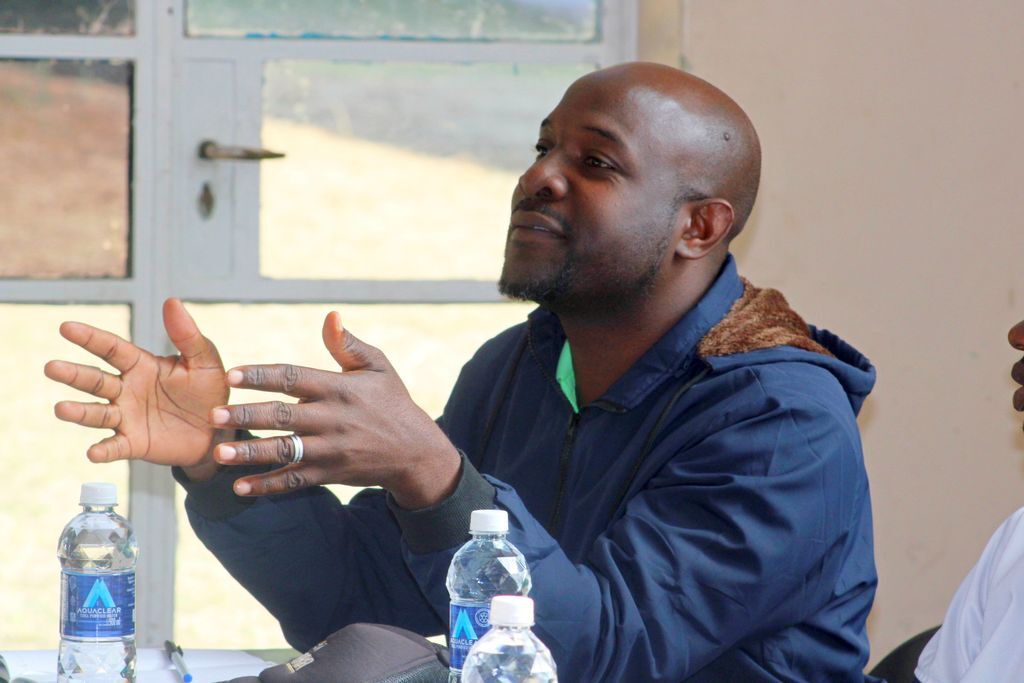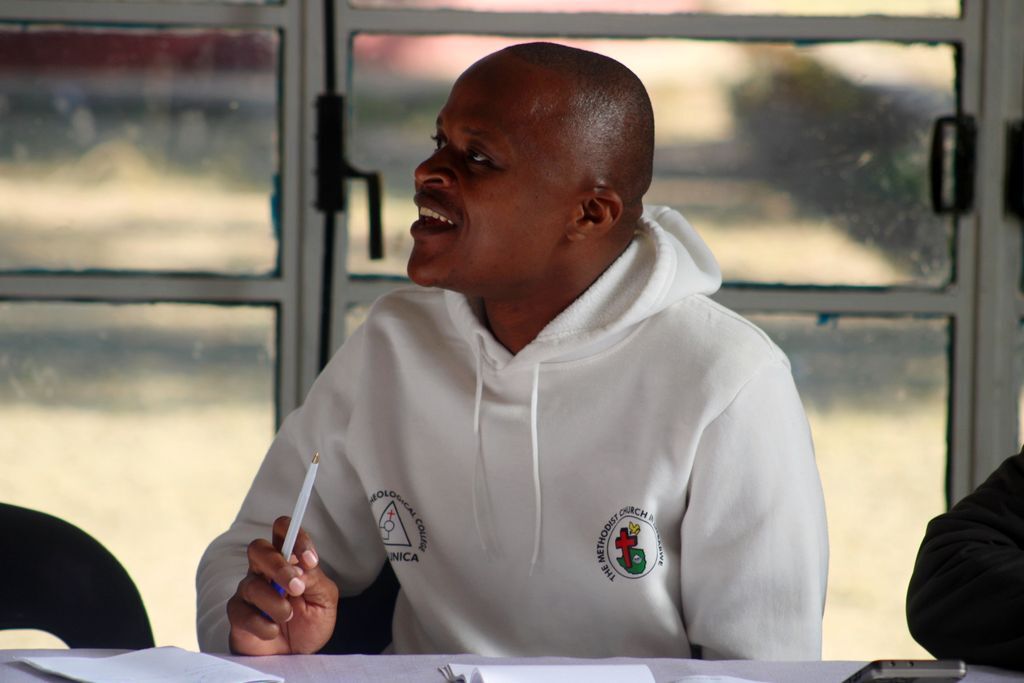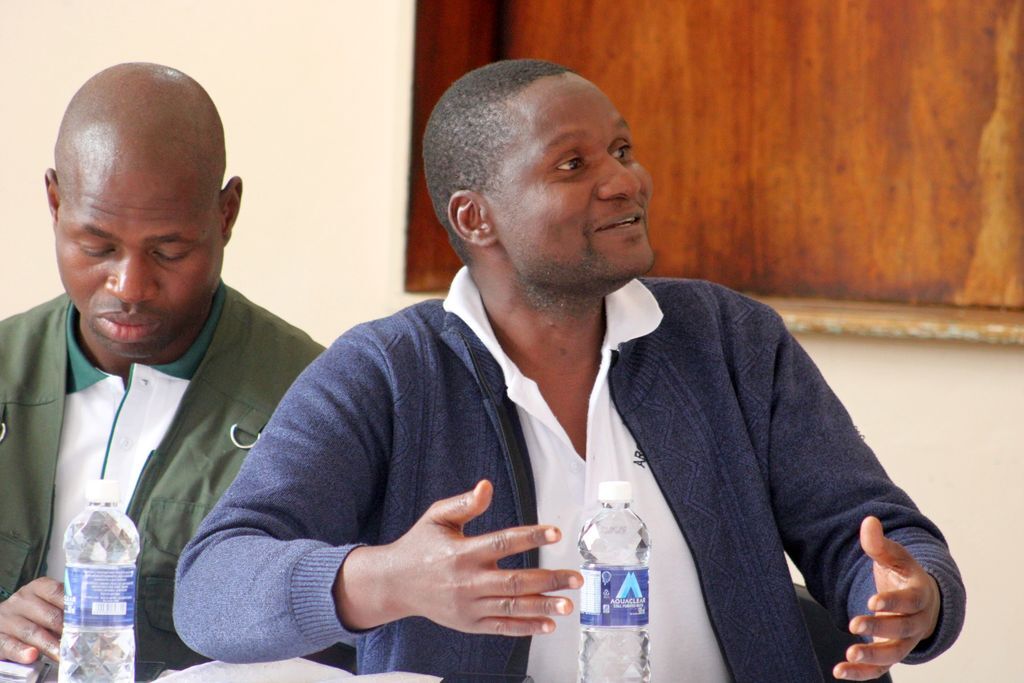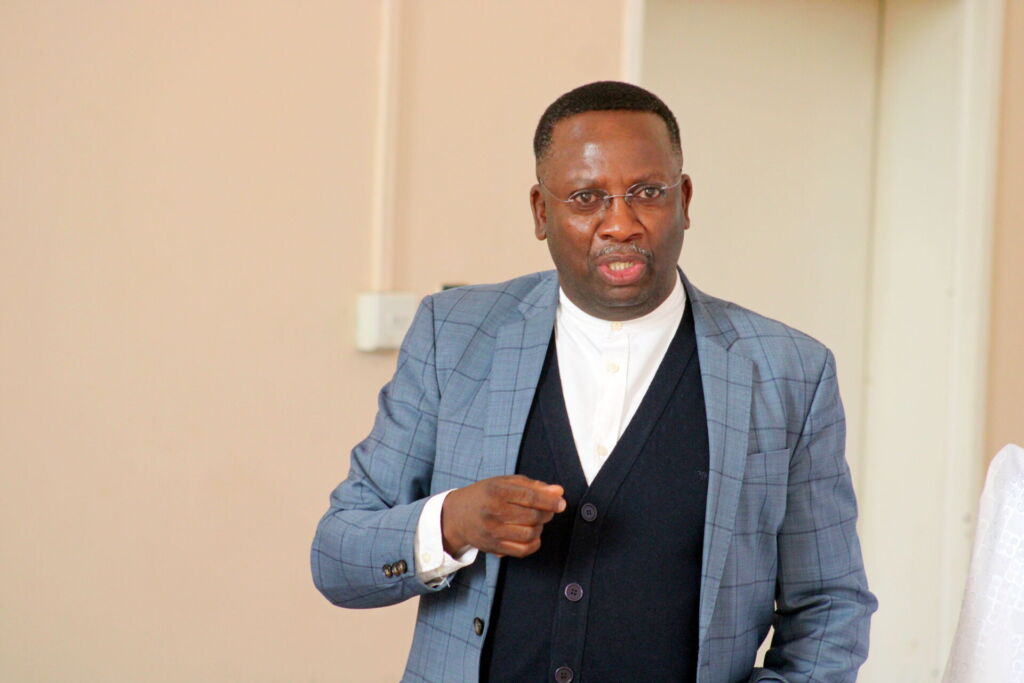
Today, 3 July 2026, marked the final day of United Theological College’s Fourth-Year Internship Seminar.
The morning began with Mr David Marange on financial administration, taking participants through practical steps for accurate record-keeping and accountability in ministry. He stressed that financial administration is integral to pastoral integrity, building congregational trust and modelling stewardship before God. He warned that without it, the church faces theft, misuse, and abuse of money, poor value for money and poor prioritisation, lack of concrete goals, inaccurate or misleading reporting, and a loss of transparency that erodes trust.
He also introduced the Fraud Triangle, showing that fraud emerges when pressure or incentive, opportunity, and rationalisation converge. Understanding these elements equips pastors to create systems that protect church resources.
After the session on financial administration, participants were taken through a session on Pastoral Ministry as a Vocation, facilitated by Rev. Wilfred Dimingu. He opened by reminding the interns that graduation is not the end of theology but only the beginning.
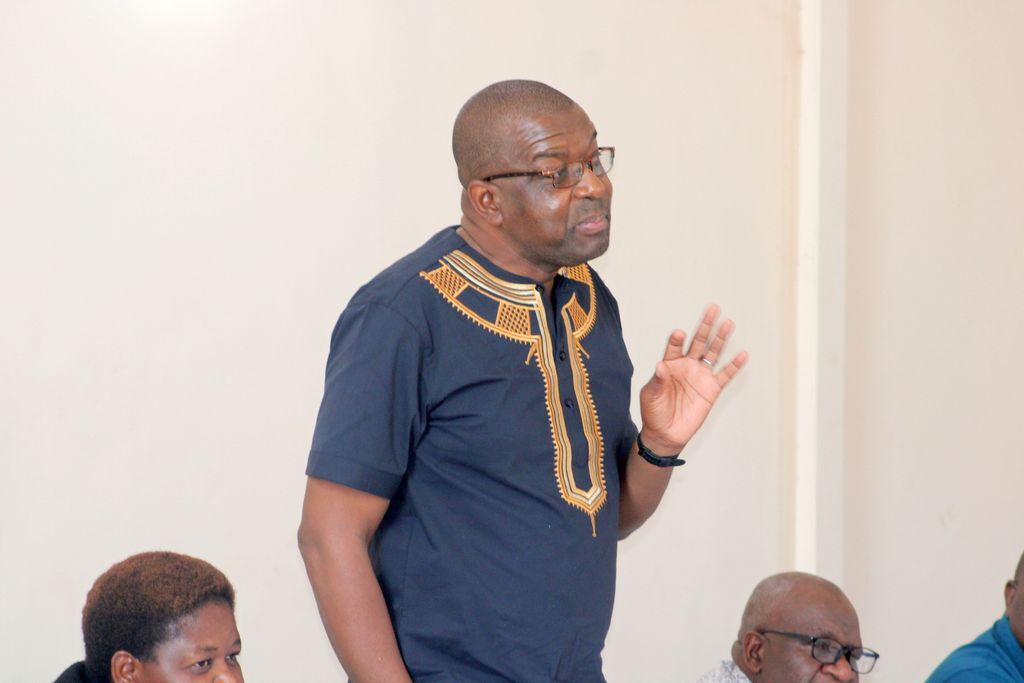
He explained that vocation is a call, drawn from the Latin “vocare”, and that ministry comes from the word “diakonia”, meaning service. At a theological college, he said, students are not being prepared for careers because ministry as a vocation is not a career.
“A career asks, “What can I get out of this?” while vocation asks, “Lord, what are you calling me to give?” Ministry is not just occupying an office but responding to the call.”
Rev. Dimingu challenged the idea of ministers becoming what he called “spiritual professionals” who simply do activities without responding to the One who called them. He emphasised the competence of character over mere competence of skill, reminding participants that “we are called to be disciples of Jesus Christ.” He cautioned them never to let their appetite for comfort and things grow bigger than their ministries. To underline humility, he quoted Paul’s words in Philippians 2:5, “Let this mind be in you which was also in Christ Jesus” — the mind of self-emptying service rather than status.
Turning to John 21, he recalled the moment Jesus asked Simon Peter,
“Simon son of John, do you love me more than these?” He said to him, “Yes, Lord; you know that I love you.” Jesus said to him, “Feed my lambs”.”
Love for Christ, not ambition, is the foundation of pastoral care. He then framed vocation through Jesus’ words to Peter: “Truly, truly, I say to you, when you were young, you used to dress yourself and walk wherever you wanted, but when you are old, you will stretch out your hands, and another will dress you and carry you where you do not want to go”. Vocation, he said, is surrendering control as God takes control.
Rev. Dimingu stressed that ministers are not called because they are strong, but they are sustained because God is faithful. He pointed them to Paul’s confession in Galatians 2:20, _“I have been crucified with Christ. It is no longer I who lives, but Christ who lives in me.”. Jesus did not say “build your empire.” He said, “Feed my sheep”.
From this, he drew the image that a shepherd must smell like the sheep. A pastor should identify with the people he serves, never mistaking stewardship for ownership. Ministers should not compete with one another because they are gifted differently — some as teachers, some as evangelists, and so on. Calling sustains ministers, not applause from people, and so no one should seek to become a celebrity pastor. Performance shapes image, but genuine ministerial formation shapes character.
The day’s proceedings continued with ministerial/experience reflections from the class and updates on graduation and field assessment.
Rev Dr Noleen Chinyerere chaired the day.