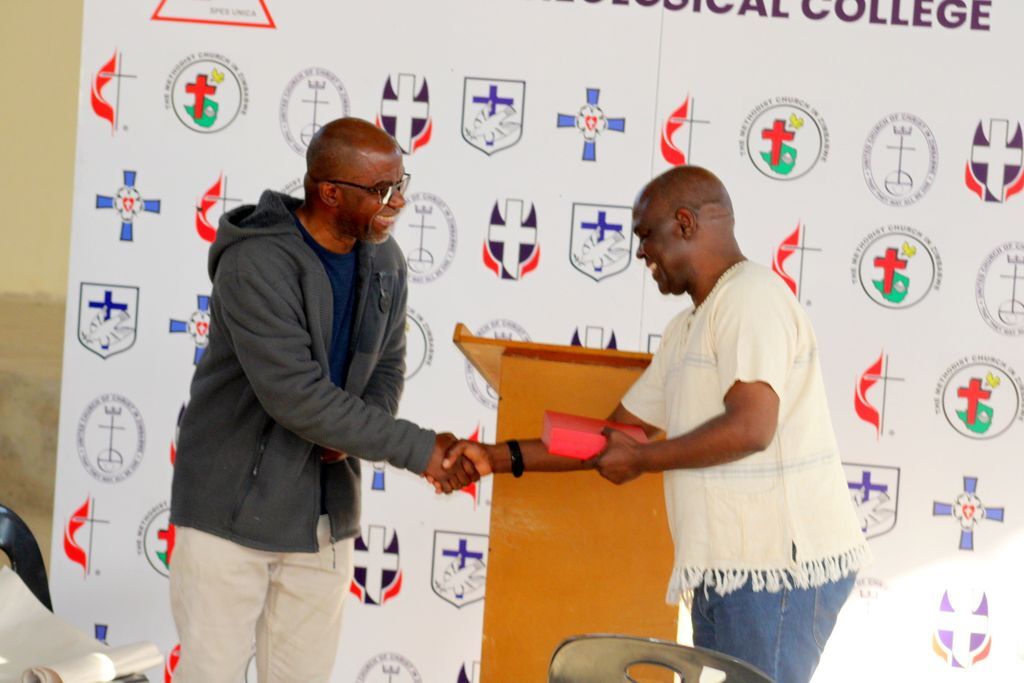
Four-day workshop equips theology students to connect creation care with practical action on climate change, food insecurity and land degradation.
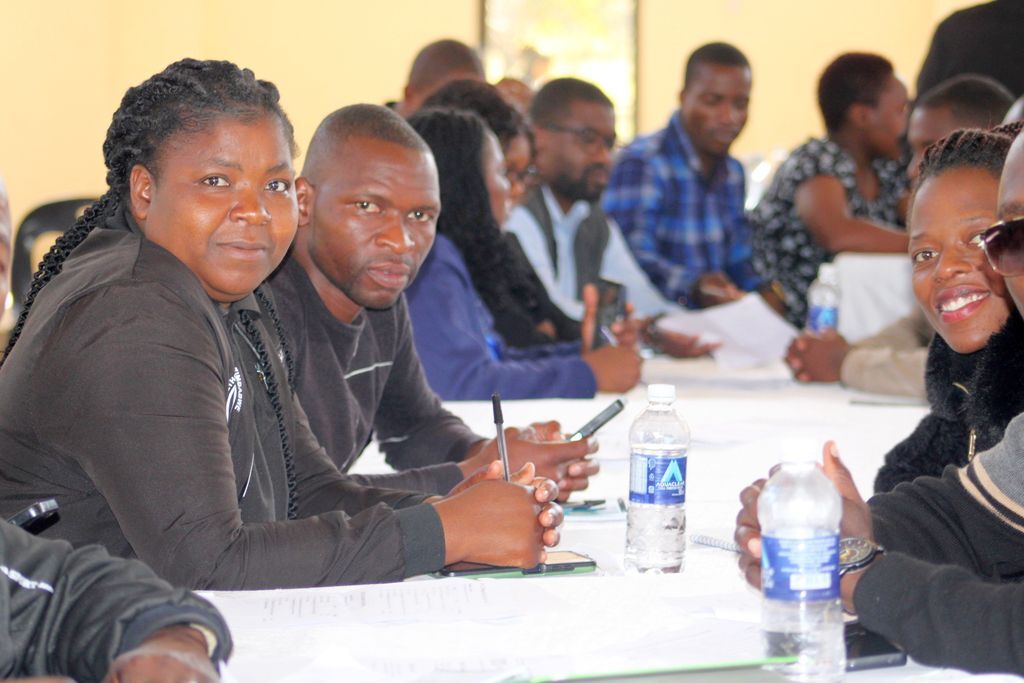
From 8 to 11 June 2026, United Theological College (UTC) brought faith and farming into conversation through an intensive workshop on Faith in Action for Ecological Justice, Food Sovereignty and Community Wellbeing.
Convened by UTC and facilitated by the Southern African Faith Communities’ Environment Institute (SAFCEI), the training engaged second- and third-year theology students and college staff. Its aim was to equip participants with theological grounding and practical skills to respond to climate change, food insecurity and land degradation through agroecology.
Lead facilitator Mr Gabriel S. Manyangadze, SAFCEI’s Food and Climate Justice Manager, introduced the idea of “agroecology theology”: the conviction that caring for land, water and biodiversity is not simply an agricultural concern, but part of the Christian call to stewardship.
“If human dignity is rooted in being made in the image of a Creator, then care of creation is a measure of faithful ministry,” was the central challenge of the workshop.
Soil degradation, seed loss and dependence on external inputs, Manyangadze argued, are not only ecological and economic problems. They also reflect a breakdown in relationships between people and the land, between generations, and between faith communities and their surroundings.
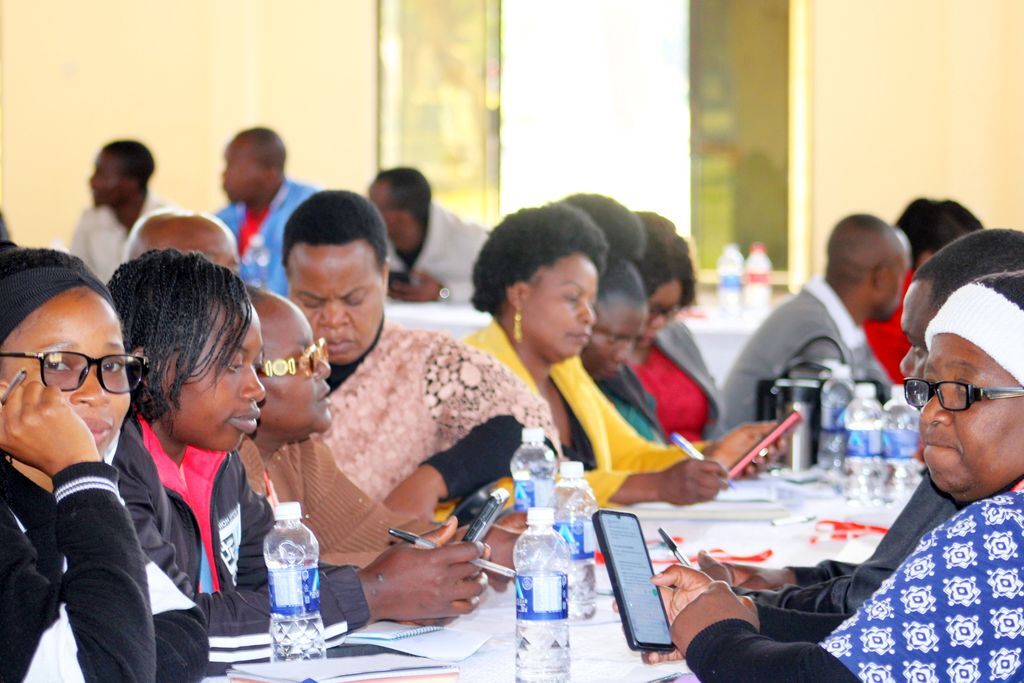
Three themes shaped the training: creation is sacred and should be stewarded rather than treated only as a commodity; food sovereignty strengthens justice by giving communities greater control over seeds, soil and water; and pastors can help lead change by bringing environmental learning into preaching, Bible study and congregational life.
From scripture to the soil
The first day established a shared understanding of agroecology and explored its connections to Christian teachings on stewardship, Jubilee and Sabbath for the land. Students also learned about SAFCEI’s work mobilising faith communities across Southern Africa for ecological justice, ethical leadership and sustainable livelihoods.
Together, participants considered how scripture speaks to Zimbabwe’s food and climate challenges. The sessions linked theology’s “why” with agroecology’s “how”—connecting faith commitments to practical responses.
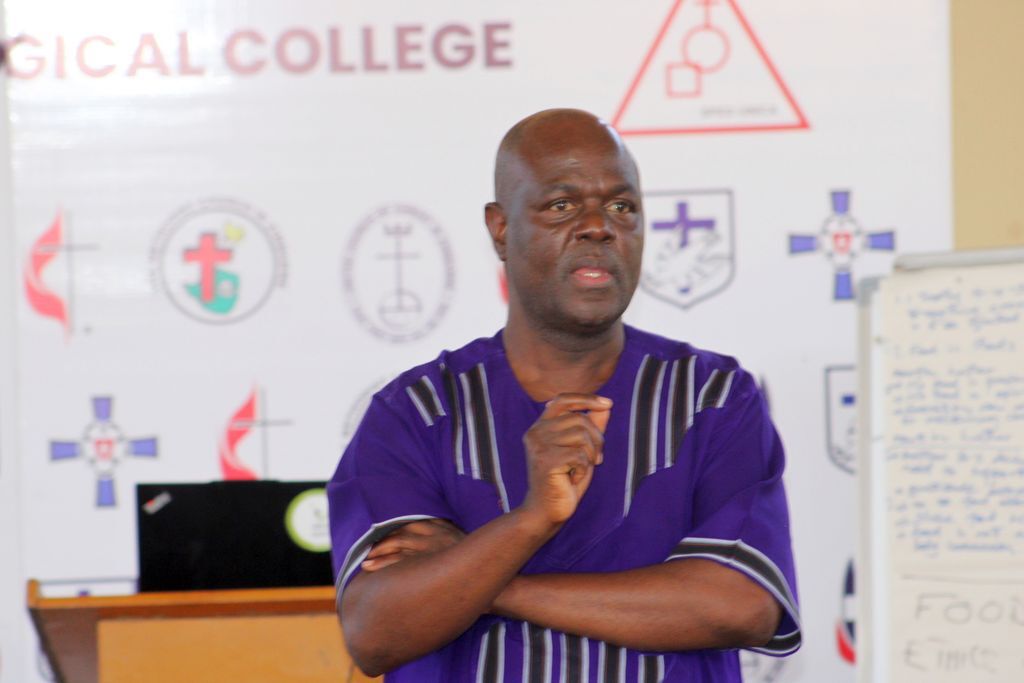
On the second day, attention turned to the tools and knowledge that support agroecological practice. Discussions covered biodiversity, soil health, water management, indigenous knowledge and reducing reliance on external inputs.
The learning moved beyond the classroom on 10 June, when the group visited Fambidzanai Permaculture Centre in Mt Hampden. Operating since 1986, FPC is one of Zimbabwe’s longest-running permaculture training centres. Students explored composting and mulching for soil regeneration, water harvesting, seed saving, indigenous crop varieties, and the integration of crops and trees to strengthen resilience to drought.
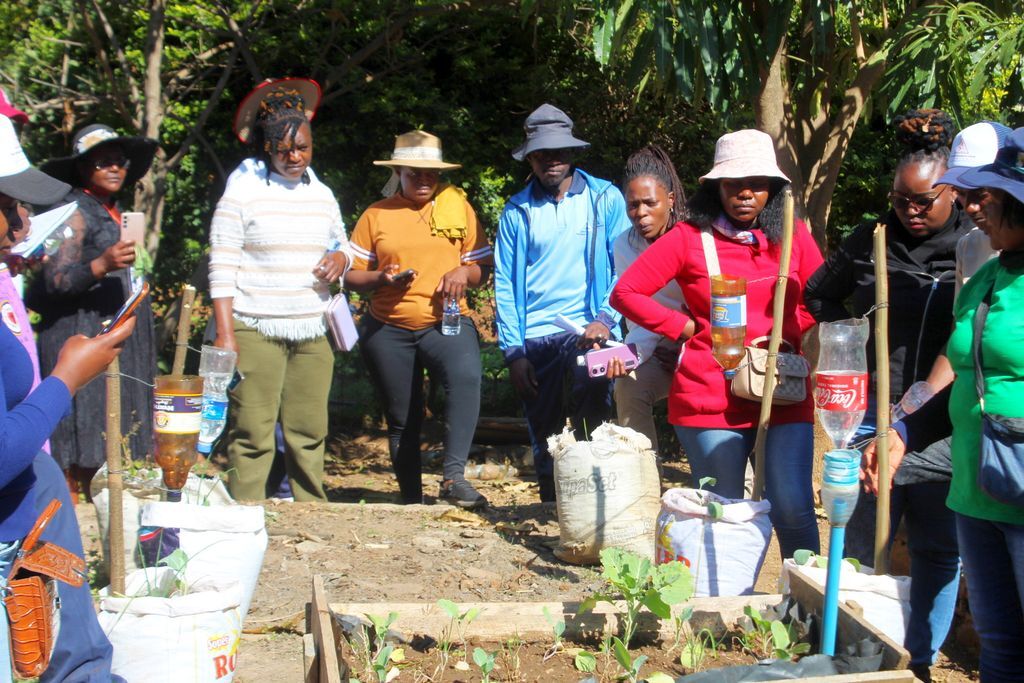
The visit showed how locally grounded, low-cost methods can support household food security while helping communities prepare for climate shocks.
Turning learning into action
Back at UTC on the final day, students considered how to put their learning into practice. Morning reflections focused on bringing creation care into sermons and pastoral counselling. Later sessions examined advocacy, ethical leadership and faith-based approaches to food solutions.
Participants were encouraged to build a culture of environmental learning in their congregations: teach regularly about creation care, establish demonstration projects on church land, train lay leaders, and engage local authorities on land and water policy.
The workshop concluded with elevator pitches. In short presentations, groups proposed an action they could take in a congregation or home community—and practised explaining the connections between faith, food and justice to a wider audience.
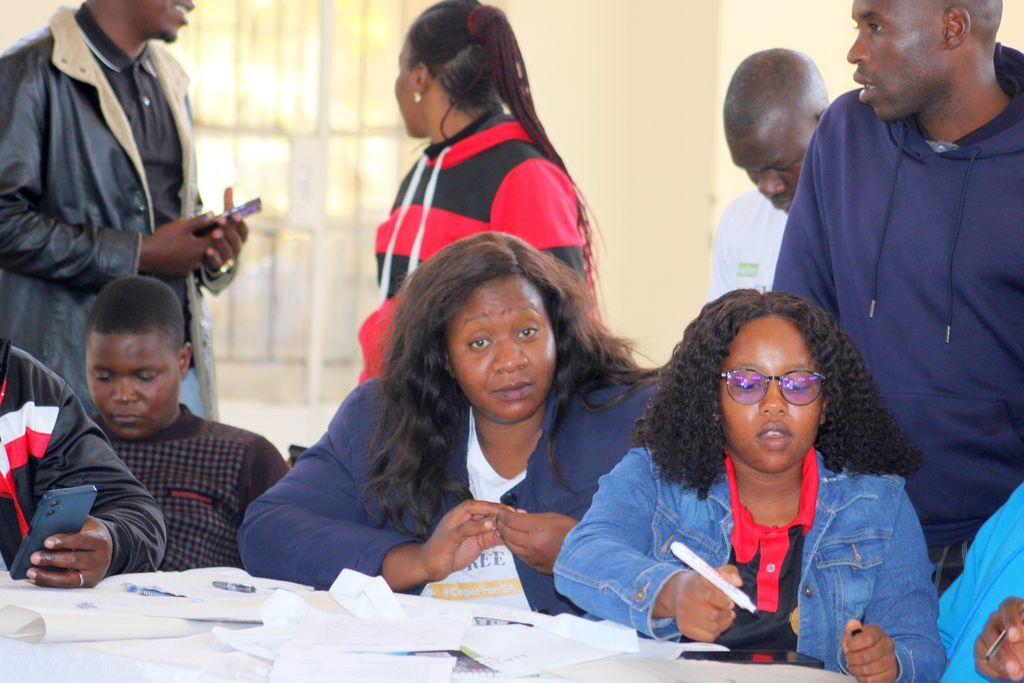
For SAFCEI, which trains and supports faith leaders across Southern Africa, that connection is central. Its approach combines theological reflection, community organising and practical skills, positioning environmental justice as part of pastoral responsibility.
By the end of the four days, UTC students had explored both the theological case for agroecology and methods they could use in their communities. The workshop’s message was clear: future pastors can serve not only as spiritual leaders, but also as educators and advocates for food sovereignty and ecological justice.
The workshop was supported by Act Church of Sweden through its 2026–2028 project with UTC.