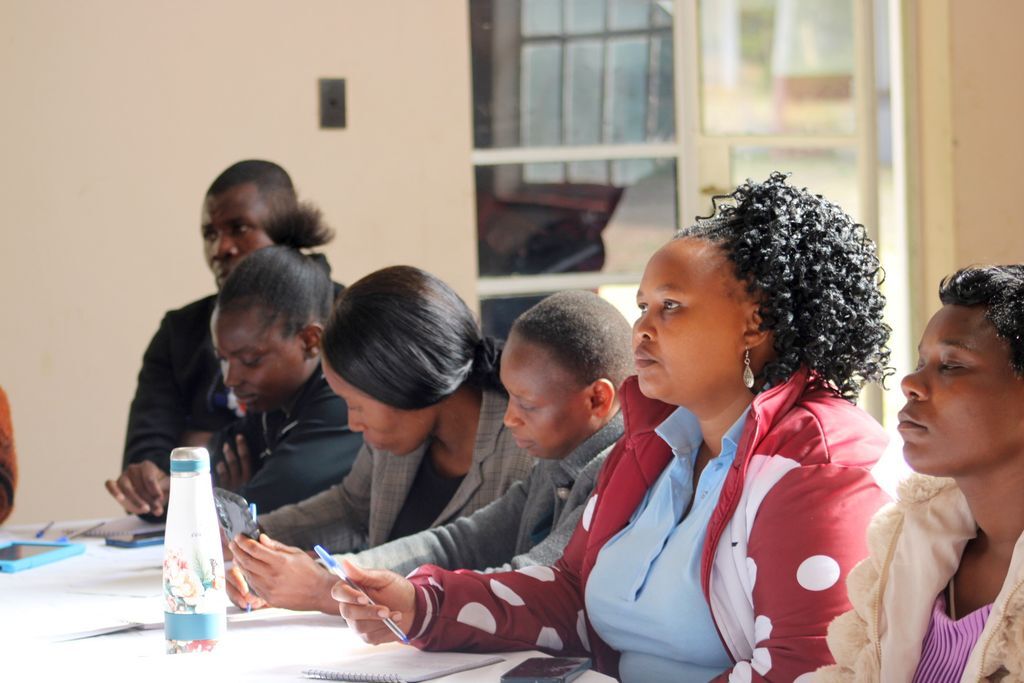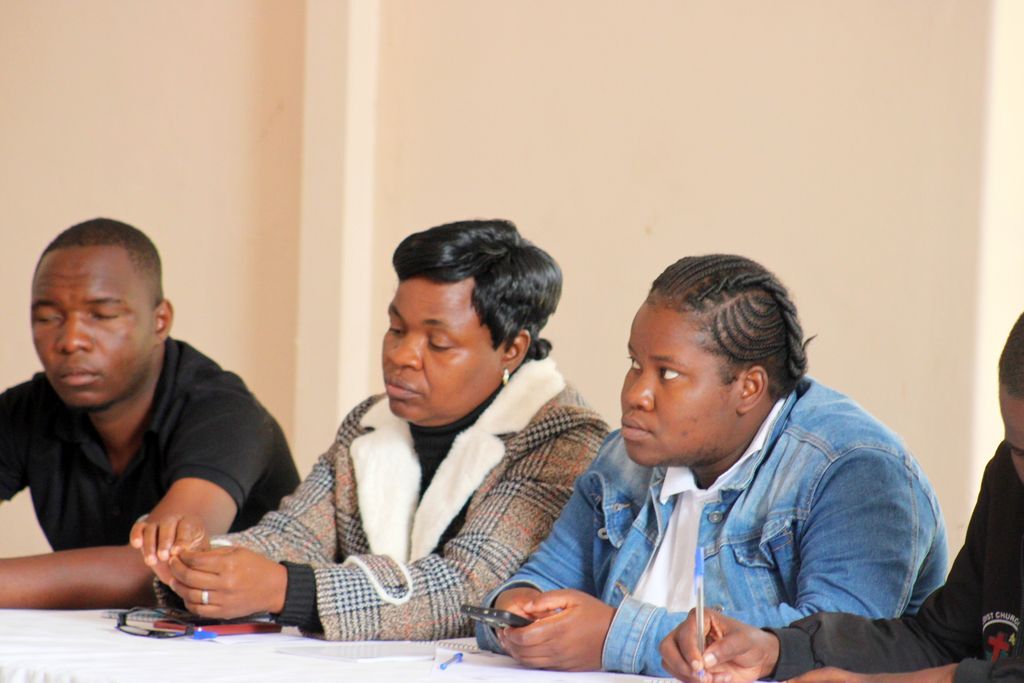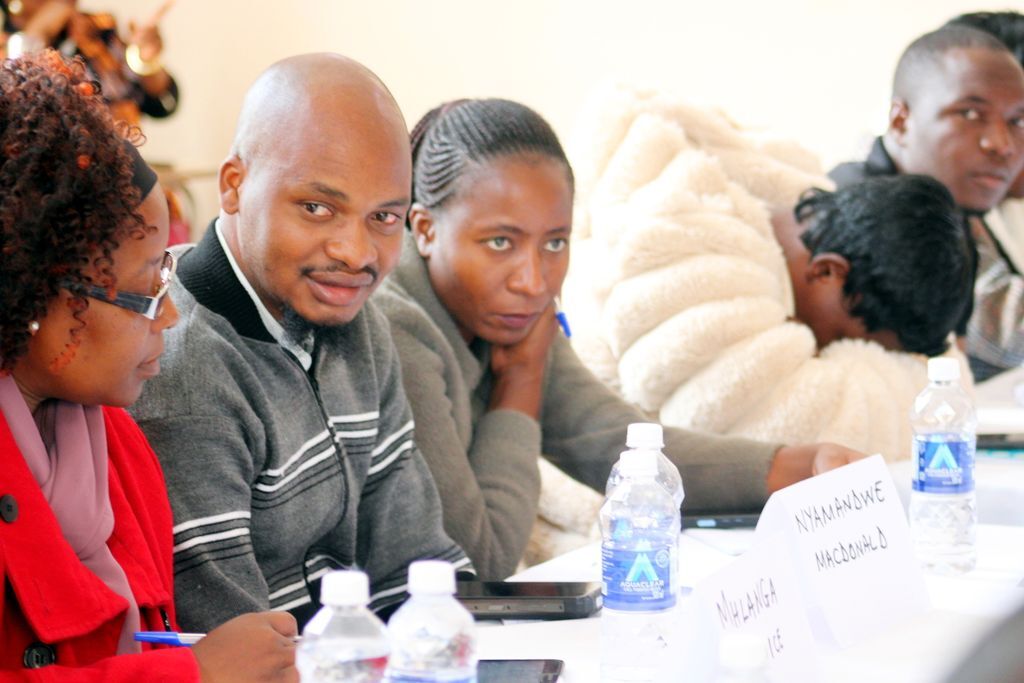
United Theological College students have pledged to confront harmful gender norms and strengthen the church’s response to gender-based violence (GBV), following a day-long workshop on faith, gender justice and practice.
Held on 8 June 2026, the workshop, “Restoring Gender Justice in Faith and Practice,” was facilitated by the ACT Alliance Zimbabwe Forum through its Gender and Faith Network. Forum Coordinator Sostina Takure led the session, which aimed to deepen students’ understanding of gender justice and GBV, challenge harmful norms in faith settings, and equip participants with practical skills and action plans.
The day opened with a discussion of what participants understood by “gender”. Most demonstrated a solid grasp of the concept, although some initially viewed gender as an issue concerning primarily women. Facilitators then guided students through an examination of faith institutions, social norms and patriarchal interpretations of scripture. Participants considered how churches can either challenge harmful practices or reinforce them.
Students worked in groups on four biblical passages—2 Samuel 13:1–22, Mark 5:21–43, Judges 19:1–30 and Ephesians 5:21–30—to develop sermons addressing GBV. The exercise prompted discussion of the ways these narratives expose both failures and strengths, as well as reflection on how churches respond to violence today.

A self-reflection session invited participants to identify behaviours they wanted to leave behind and positive practices they hoped to adopt in their own lives and communities. Commitments included rejecting interpretations of scripture used to justify harm and instead preaching justice, equity and equality, including through texts such as Genesis 1:27. Students also called for an end to the concealment of abuse in churches, families and communities, and for boys and girls to be empowered equally.
Other priorities included ensuring men are not excluded from conversations about GBV, creating regular and open community discussions, opposing domestic violence and harassment in marriage, and promoting women’s participation in leadership. One practical proposal was to introduce a suggestion box at UTC.
The workshop also explored transformative masculinities by examining expectations placed on boys and men. Participants identified pressures to seek revenge, suppress emotions, keep struggles to themselves, provide constantly, avoid resting even when unwell, and regard multiple sexual partners as normal. The discussion encouraged students to challenge harmful expectations while affirming male identity and supporting a gradual shift towards positive masculinity.
In the final session, students developed proposals for an internal UTC action plan. These included establishing a GBV club, mainstreaming GBV education in churches and communities, speaking out against abuse—particularly within the church—and increasing women’s representation in UTC leadership. Participants also proposed more gender workshops involving spouses, greater attention to GBV in the curriculum, an annual anti-GBV campaign, dedicated counselling spaces, and training ministers-in-formation to provide GBV counselling.
The ACT Alliance Zimbabwe Forum brings together churches and church-related organisations for ecumenical work in humanitarian response, development and advocacy. It has 11 members in Zimbabwe. Globally, ACT Alliance comprises 144 organisations across more than 70 countries, working in 140 countries worldwide, with the majority of its members based in the Global South.