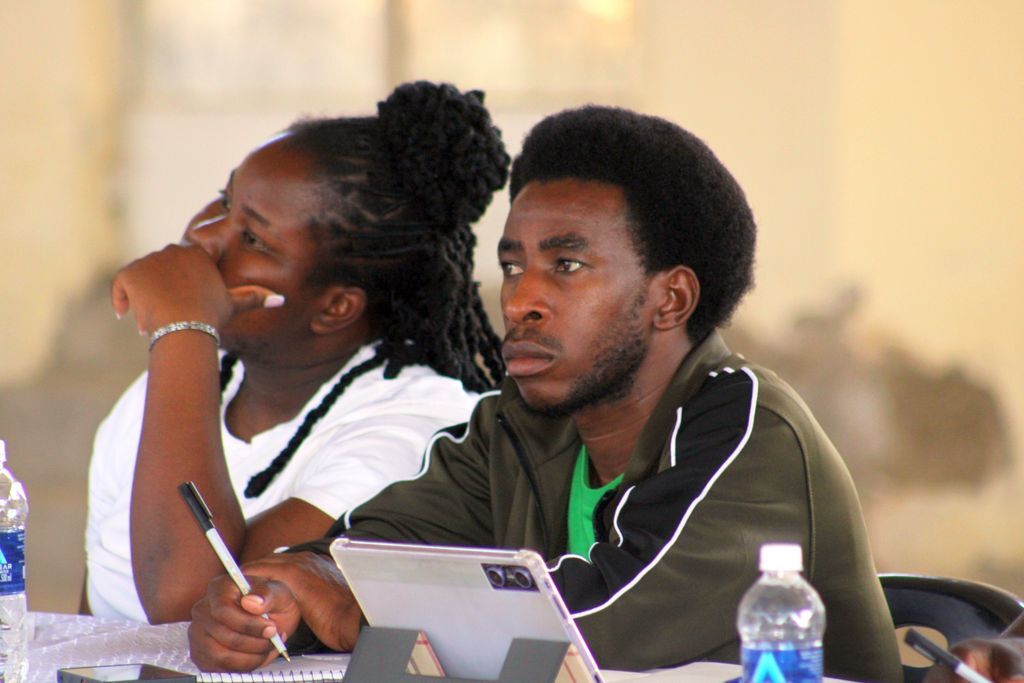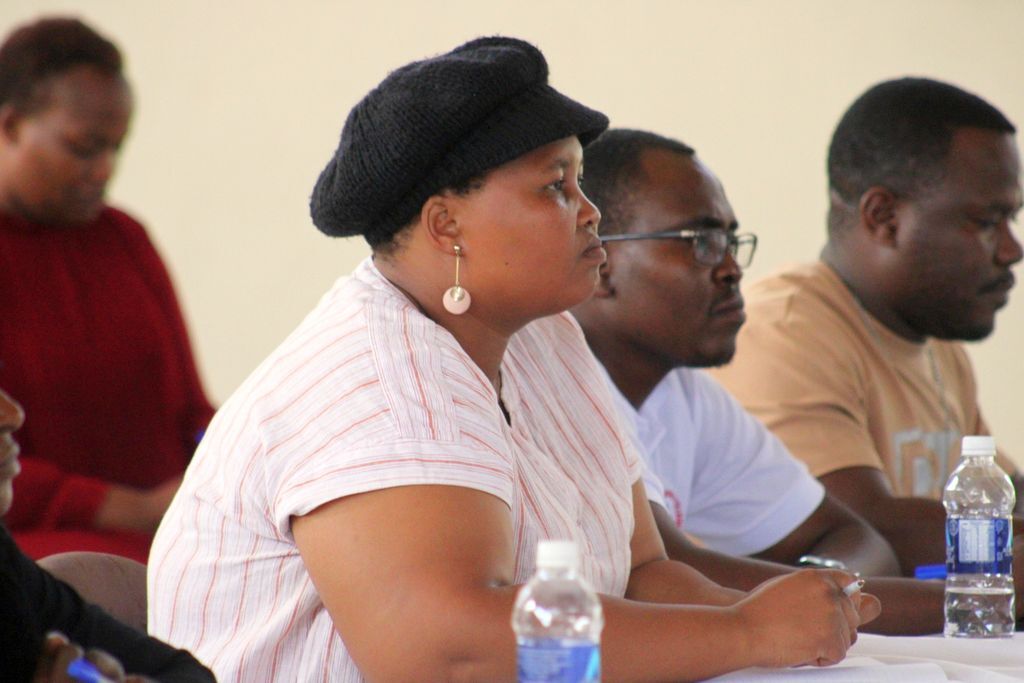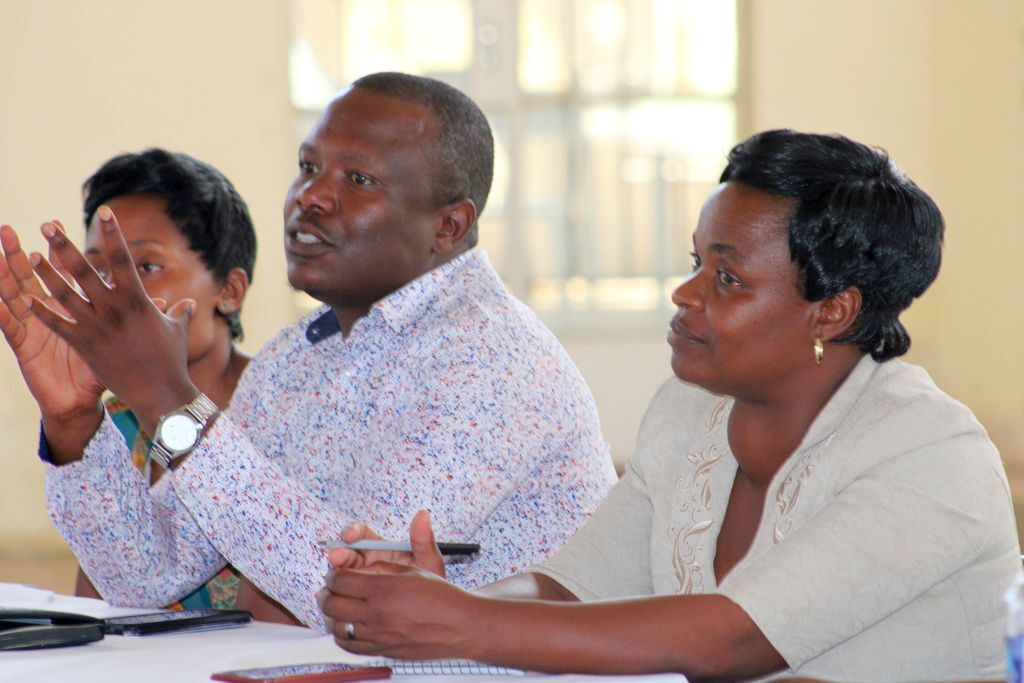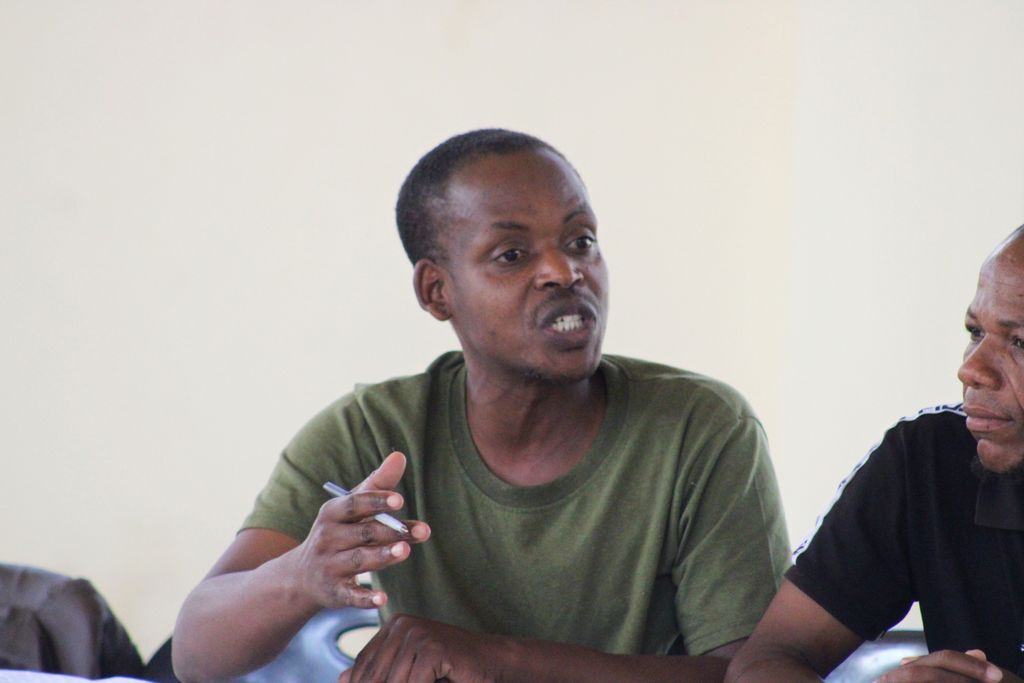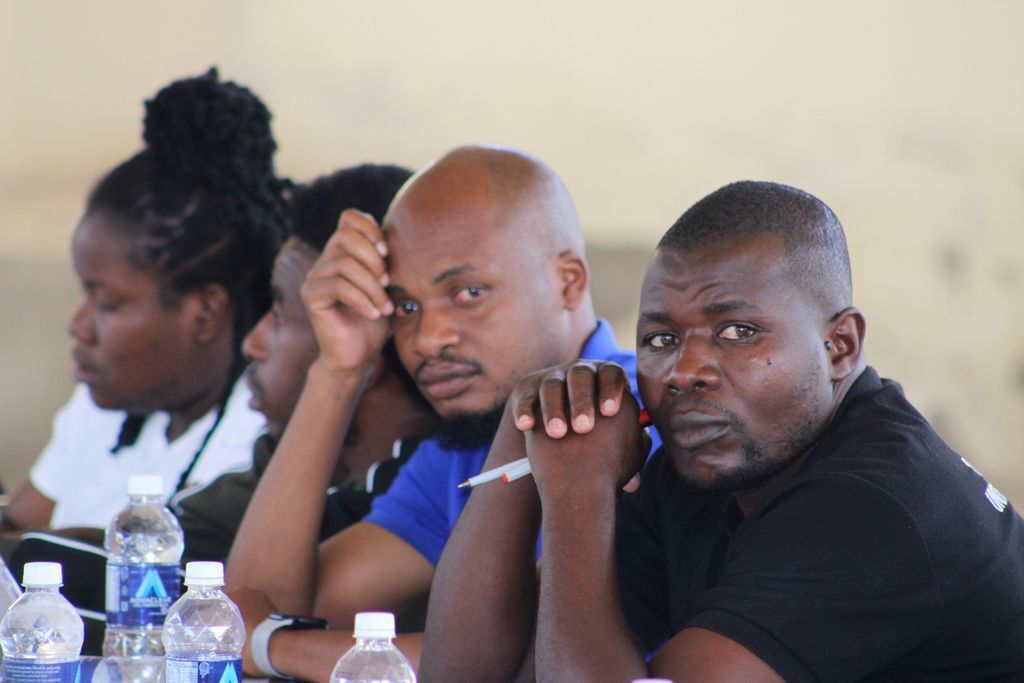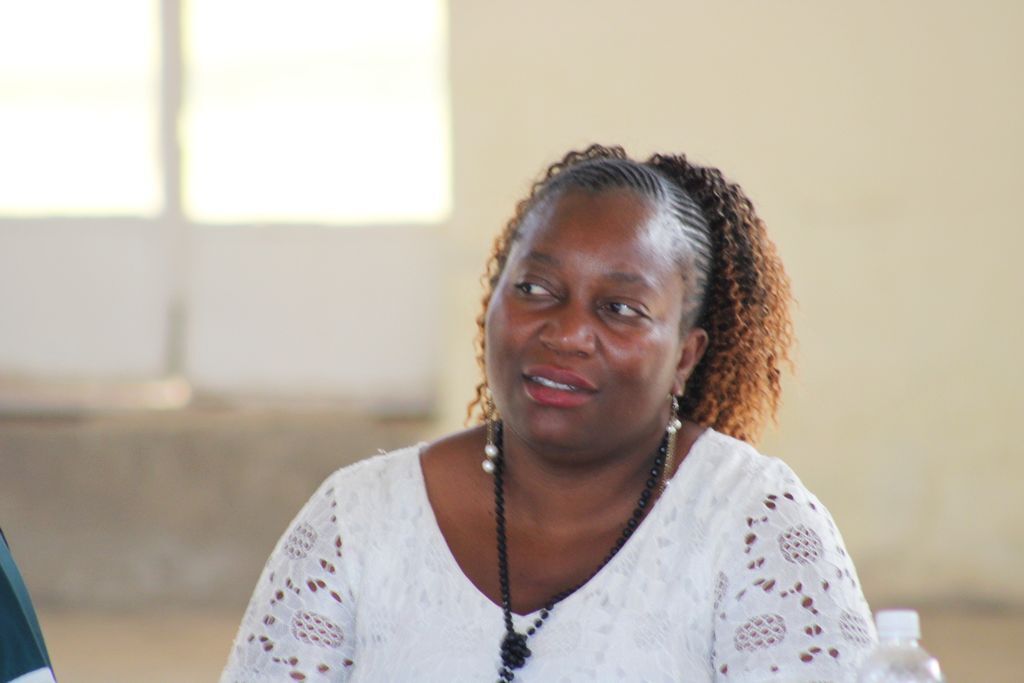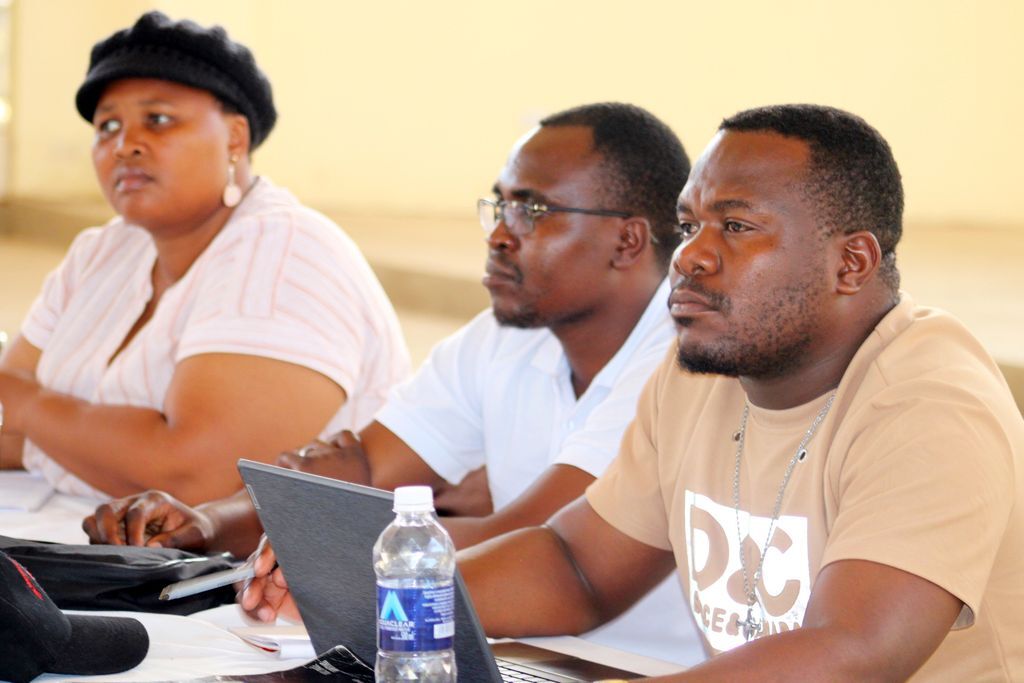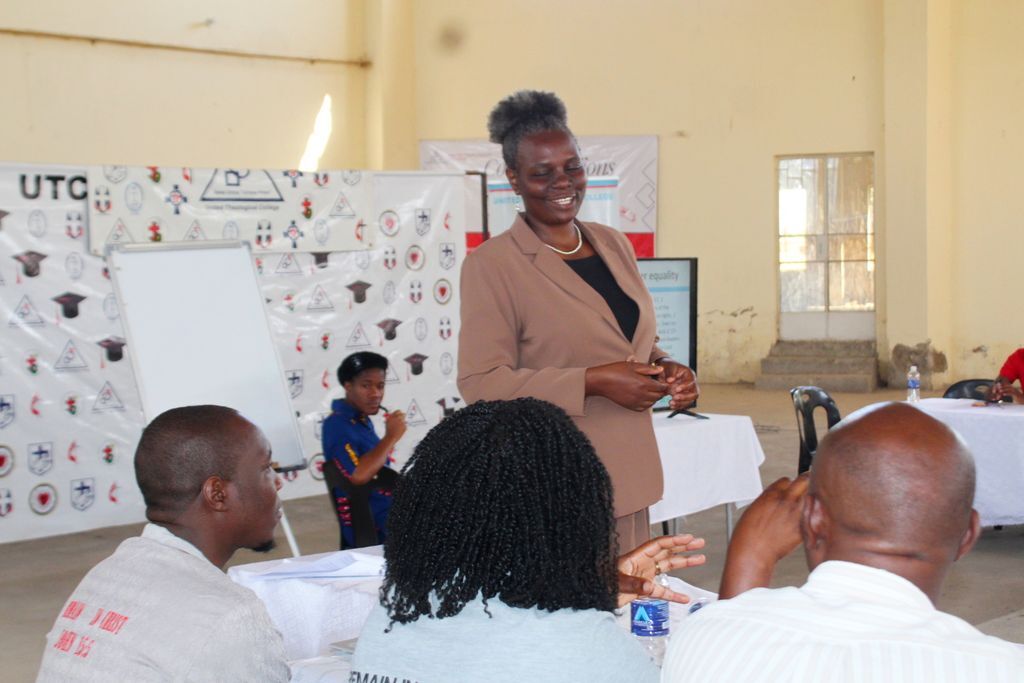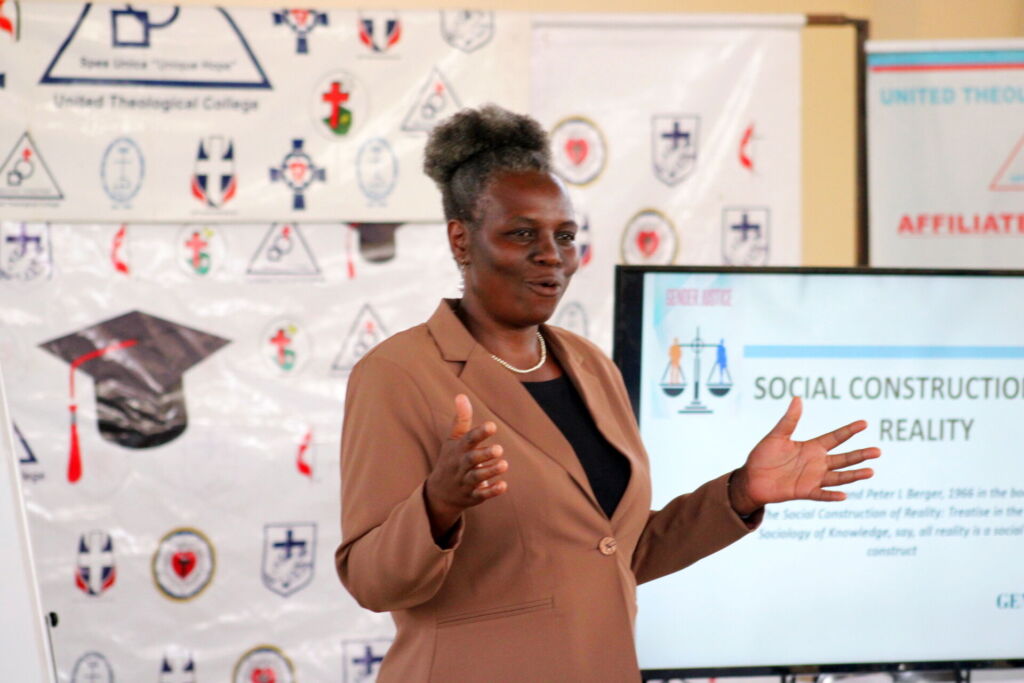
Harare, 22 April 2026 — United Theological College continued its commitment to holistic theological formation on Tuesday, 21 April 2026, with the second in a four-part workshop series titled “Training Faith Leadership on Sustainable Development Goal 5: Gender Equality.”
The session, facilitated by Gender and Theology course instructor Reverend Linah Ndhlovu, brought together the 2026 freshmen class alongside members of staff for a robust engagement with theology, culture, and colonial history. The workshop series is supported by the Act Church of Sweden as part of ongoing efforts to equip future church leaders for transformative ministry. The engagements aren’t just academic exercises. They’re about forming church leaders who can name injustice and imagine something better.
Rev. Ndhlovu guided participants through the argument that gender is a social construct, drawing on Berger and Luckmann’s Social Construction of Reality and Simone de Beauvoir’s insight that “one is not born, but rather becomes, a woman.” Challenging narratives that frame African culture as wholly oppressive, the workshop highlighted pre-colonial African women leaders such as Mbuya Nehanda, Kimpa Vita, Alice Lenshina, and Mai Chaza as evidence of indigenous traditions of women’s agency.
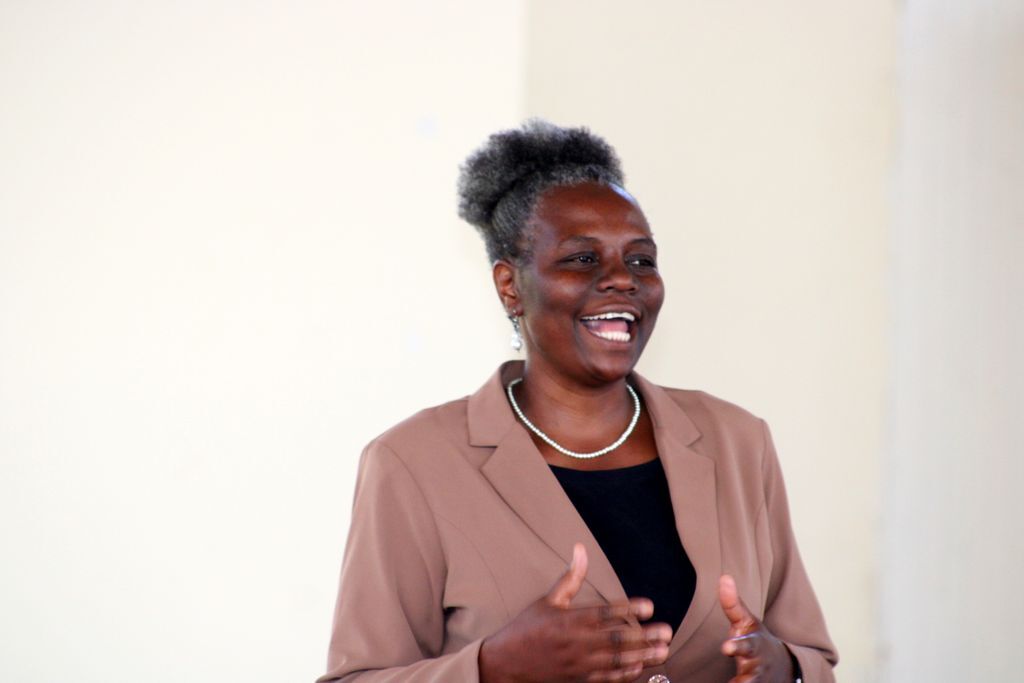
That led to an uncomfortable truth. Participants examined how colonial missionaries constructed new gender norms through selective biblical interpretation, noting that Scripture can either liberate or oppress depending on how it is used. The session foregrounded biblical texts supporting equality and collaboration—from Genesis 1:27’s joint dominion and Deborah’s judgeship to Galatians 3:28, Acts 2:17-18, and the ministry of Priscilla and Phoebe. Women, as the first witnesses of the resurrection, were highlighted as a powerful New Testament precedent.
The workshop leaned heavily on African womanist theology, engaging the work of Mercy Amba Oduyoye and Musimbi Kanyoro. Both scholars insist that the Bible must be reinterpreted through a liberative lens that centres African women’s experiences of poverty, violence, and cultural restriction.
For Oduyoye, the Church must use Scripture for partnership, not domination. For Kanyoro, theology should become a tool of transformation toward dignity and justice.
A frank discussion followed on gender-based violence and harmful practices present in religious communities across Zimbabwe and Southern Africa. Forms of abuse named included domestic, emotional, economic, sexual, and psychological violence, as well as child marriage and FGM. Theological misuses such as quoting Ephesians 5:22 on submission out of its mutual context in verse 21, rigid complementarianism, and honour/shame cultures were critiqued.
Participants also identified two streams of harmful legacies: traditional practices like widow inheritance, virginity testing, kupindira, and kutamba chiramu; and inherited colonial practices such as barring women from church leadership, commercialising lobola, confining women to unpaid care work, and prioritising boys’ education.
The session closed with direct application to UTC and its member churches. Staff and students were challenged to name how these inequalities manifest within the college itself and to work toward solutions.
This workshop is part of a broader initiative by UTC, supported by the Act Church of Sweden, to integrate SDG 5 into ministerial formation. Two further workshops in the series will continue to equip students and staff to lead churches that embody partnership, justice, and inclusion. If the last two engagements were any indication, UTC’s future pastors are not being trained to avoid hard conversations. They’re being equipped to lead them.
Event Gallery