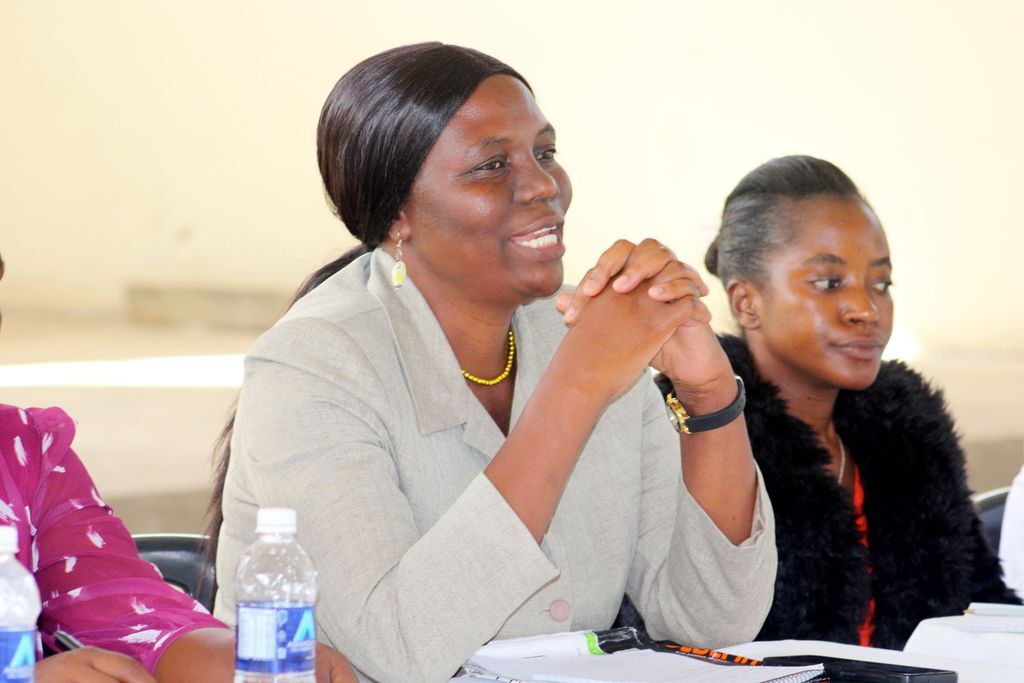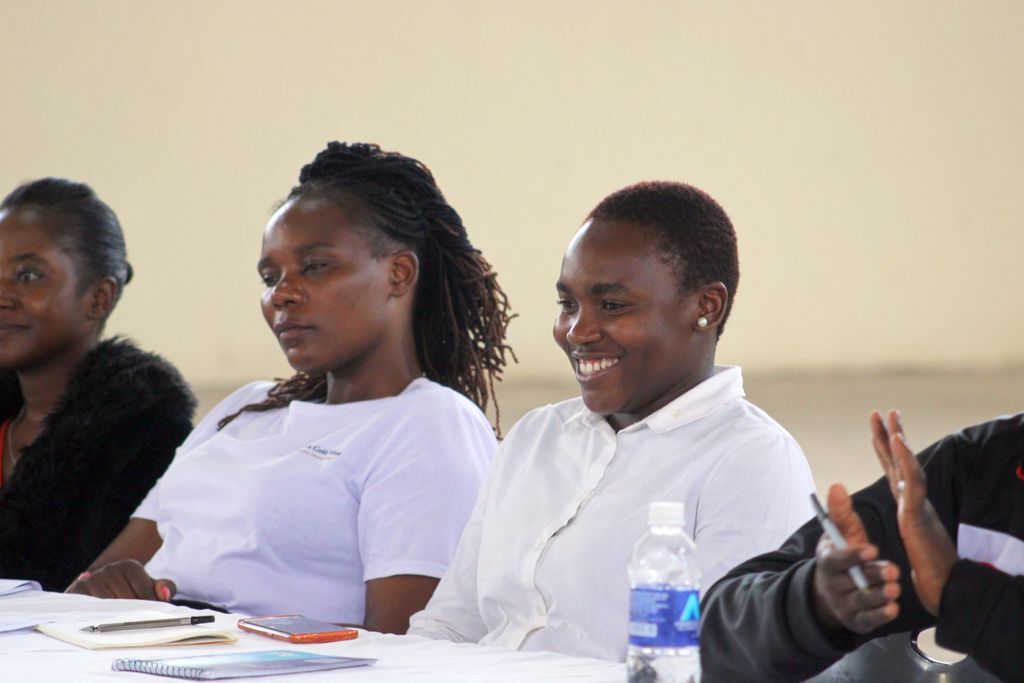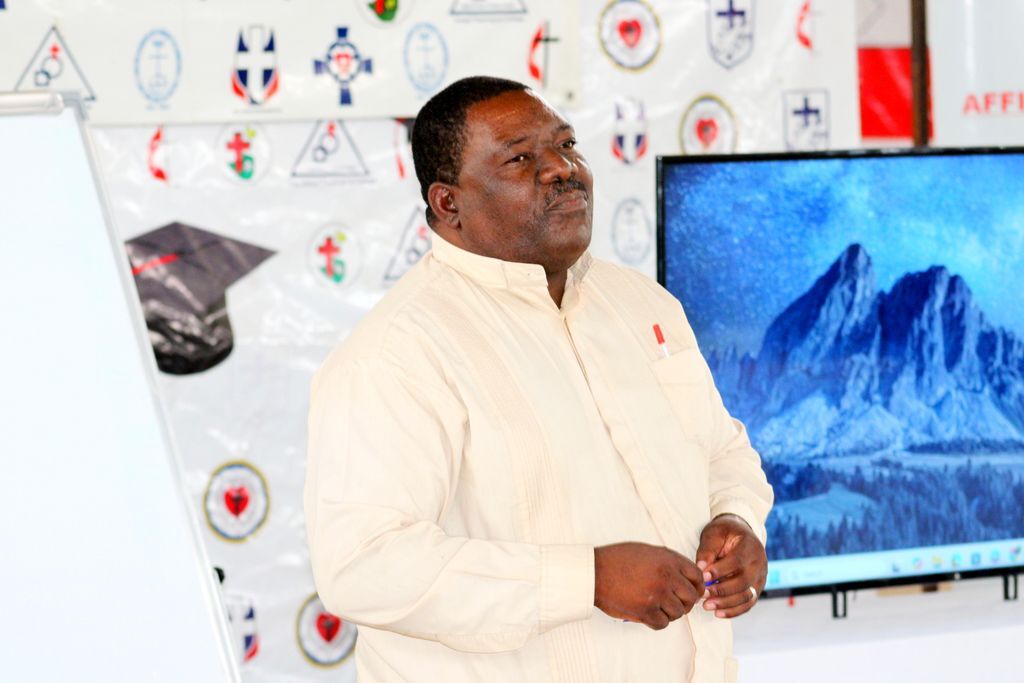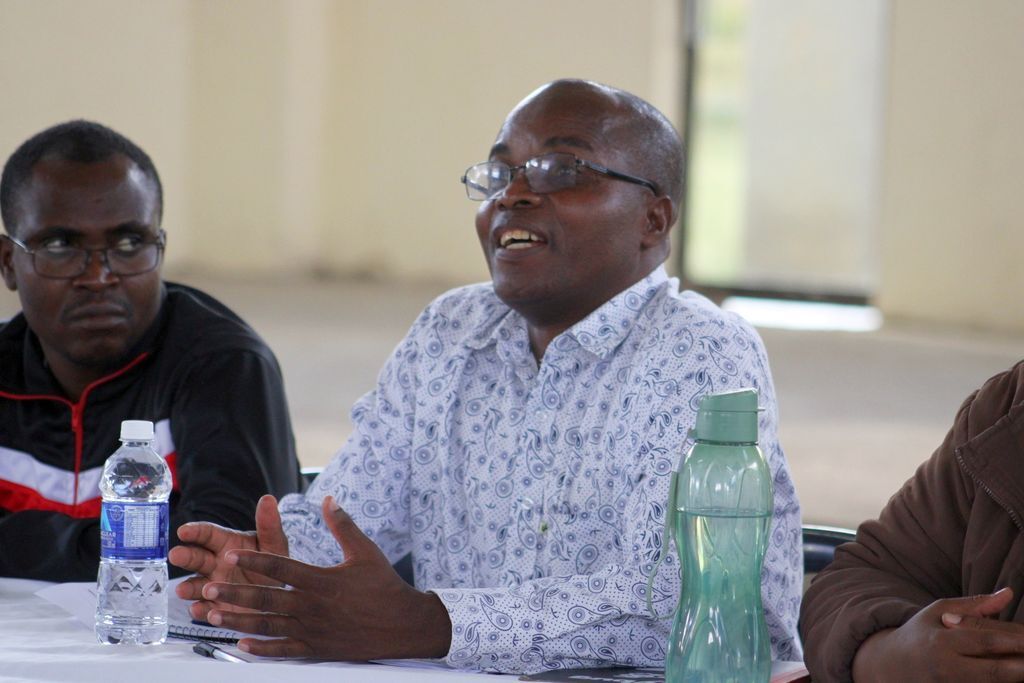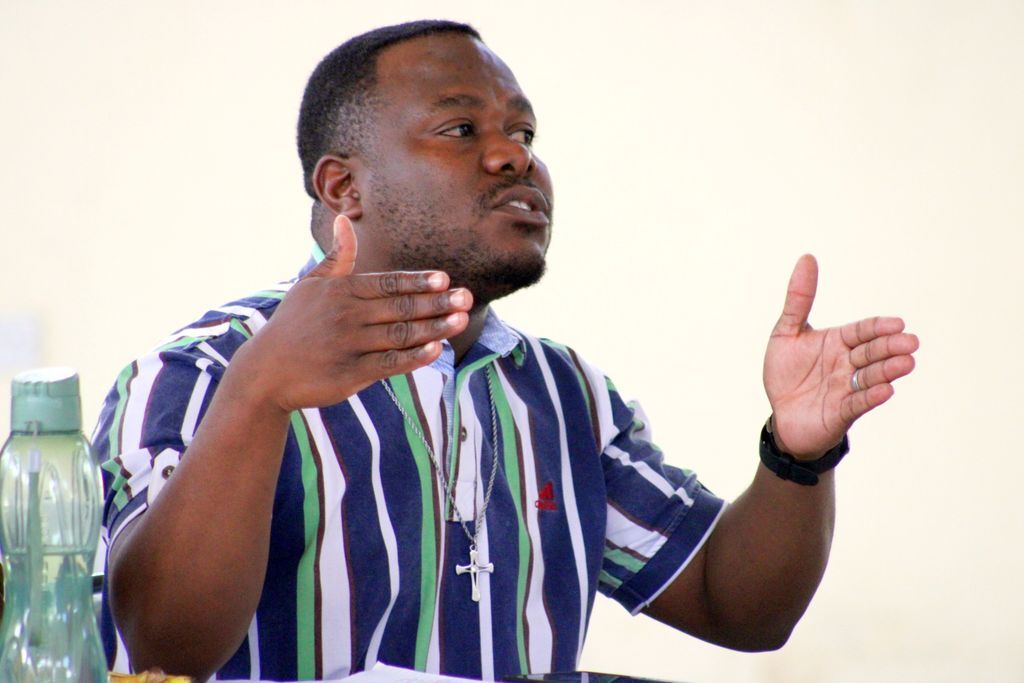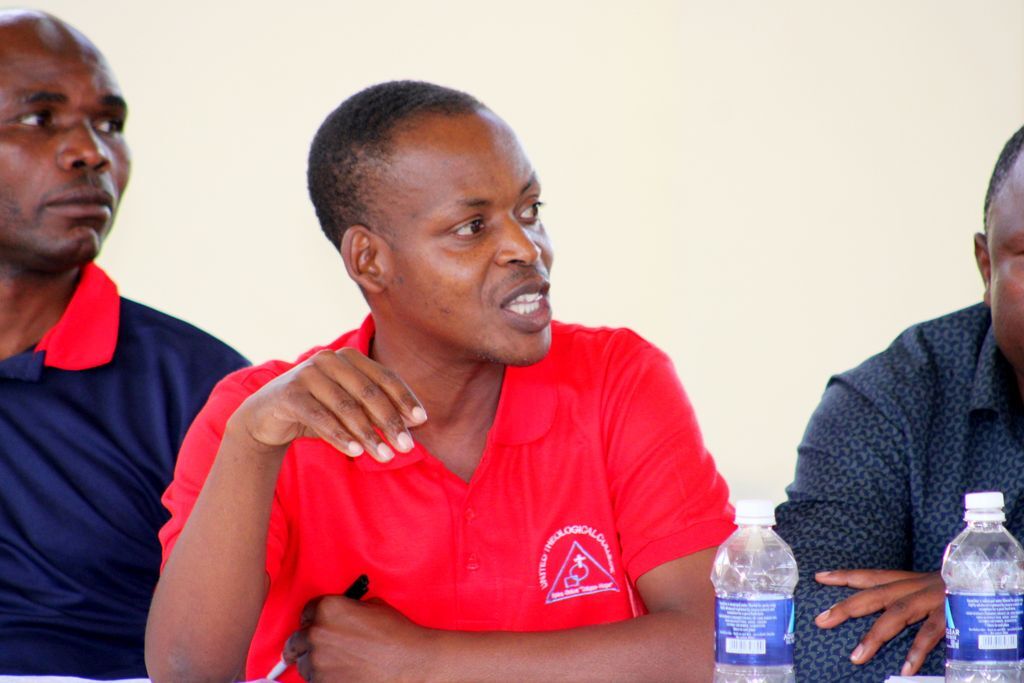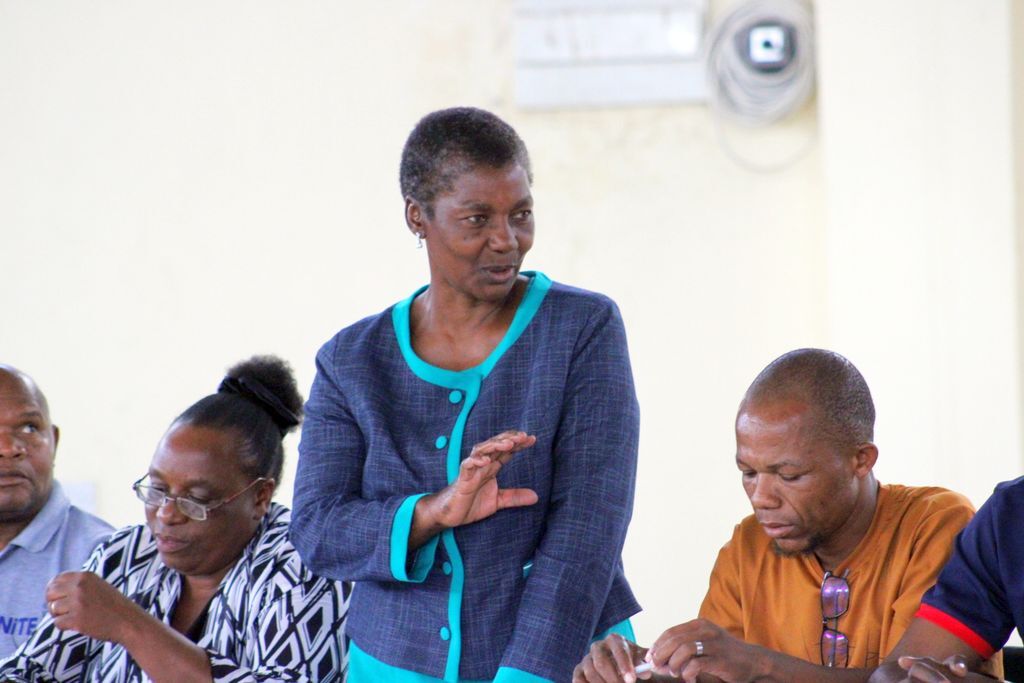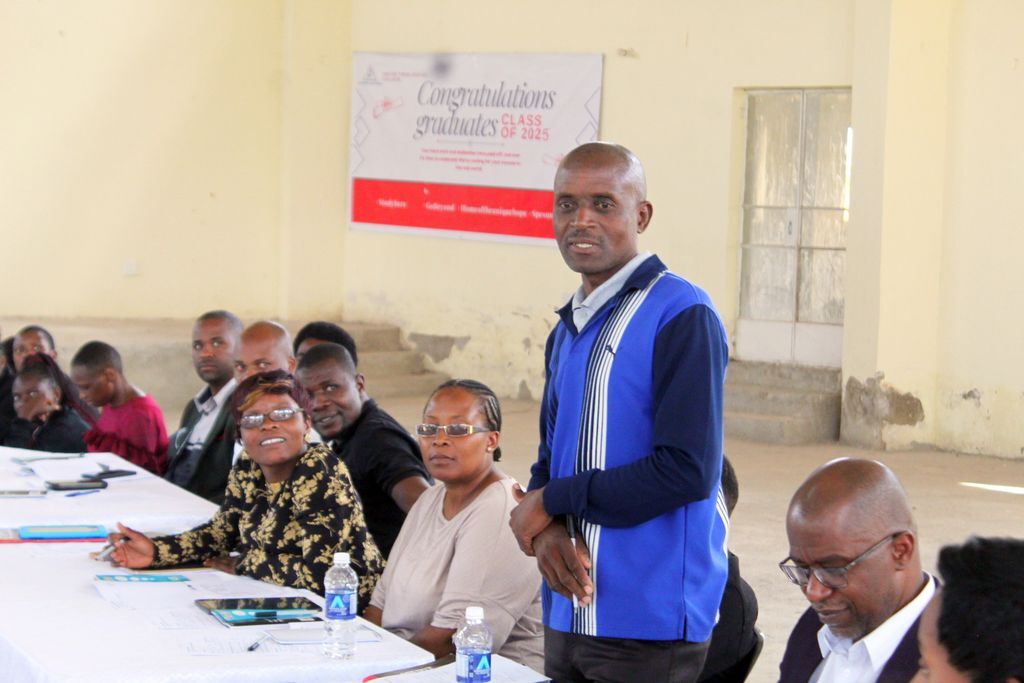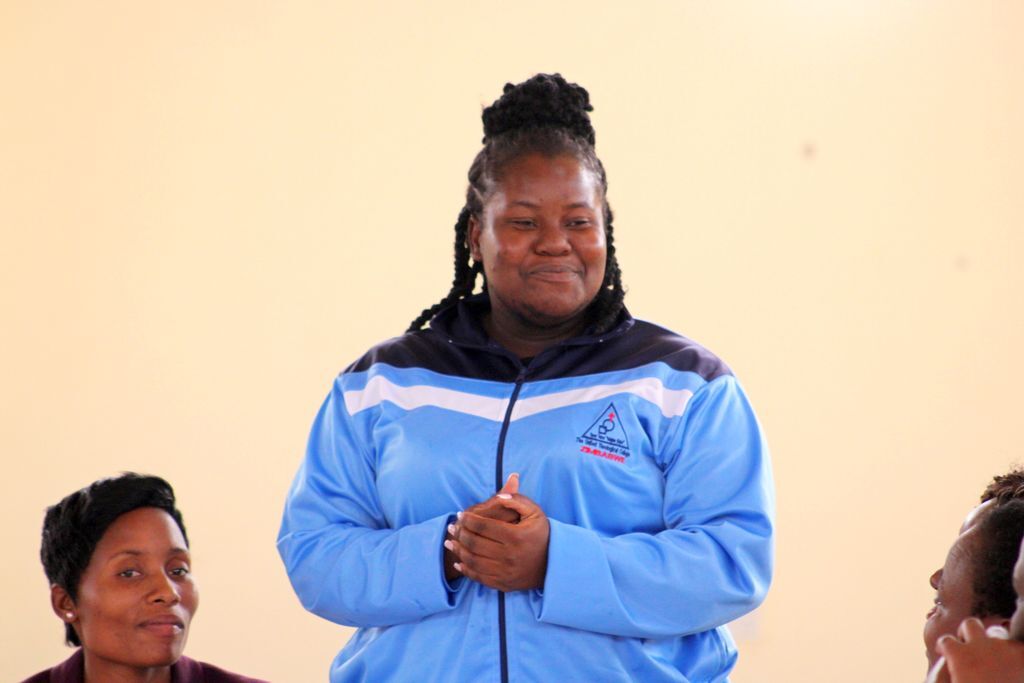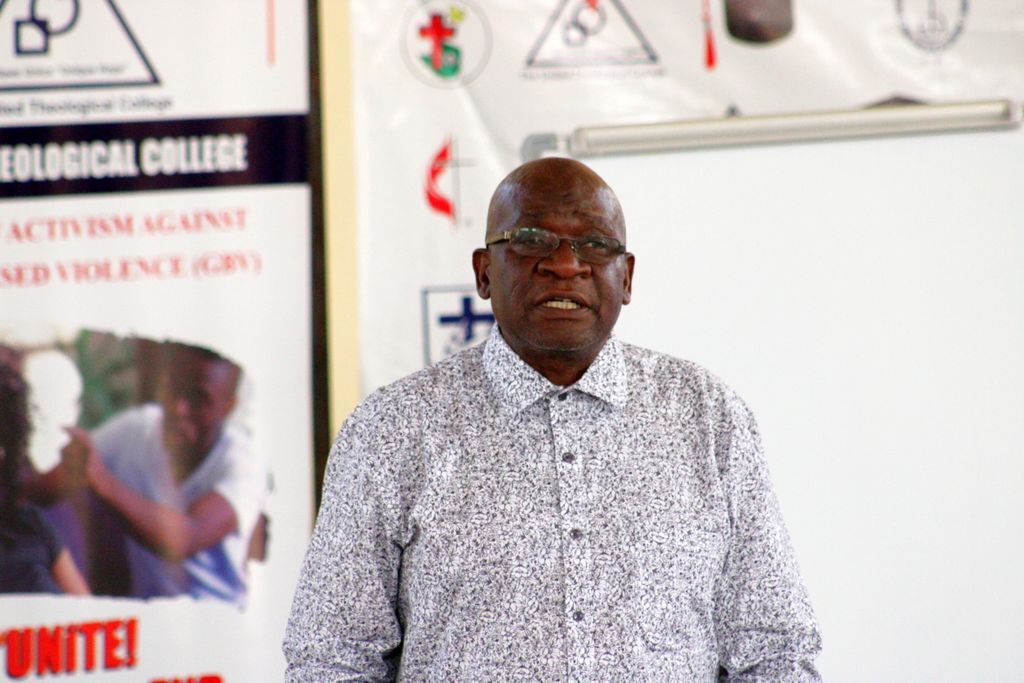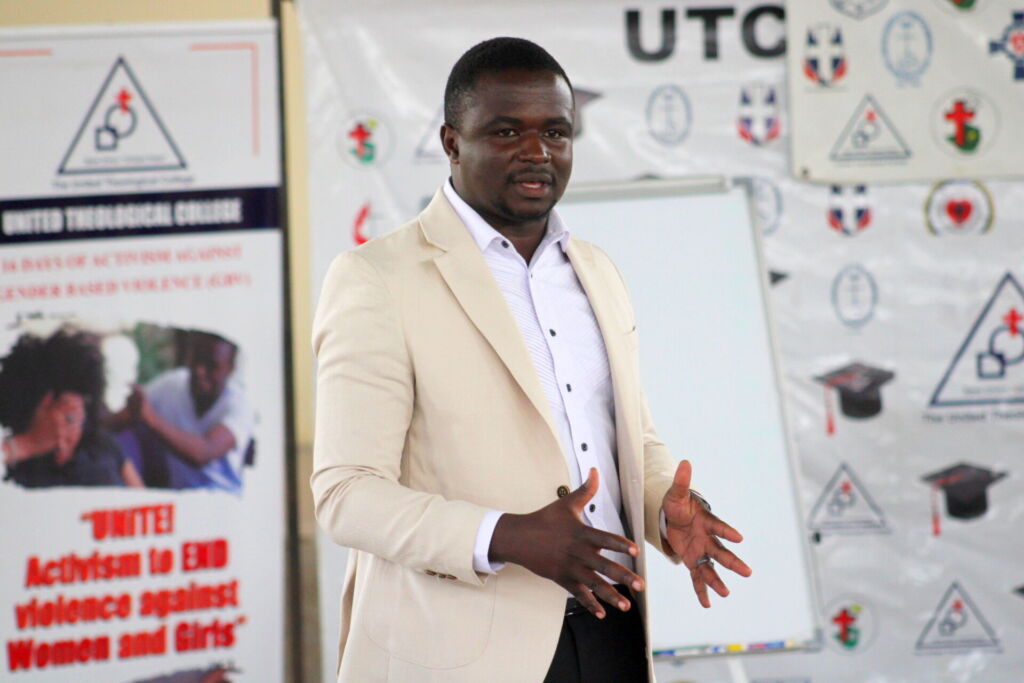
Harare, 16 April 2026 — The United Theological College (UTC) commenced its four-part workshop series, “Training Faith Leadership on Sustainable Development Goal 5: Gender Equality”, on Tuesday, 15 April 2026, with its 2026 freshmen class, SRC representatives and members of staff.
Conducted under the Theology and Gender programme and overseen by Reverend Linah Ndhlovu, the series is supported by the Act Church of Sweden. It aims to equip ministers-in-formation to lead churches that promote partnership, dignity, and justice.
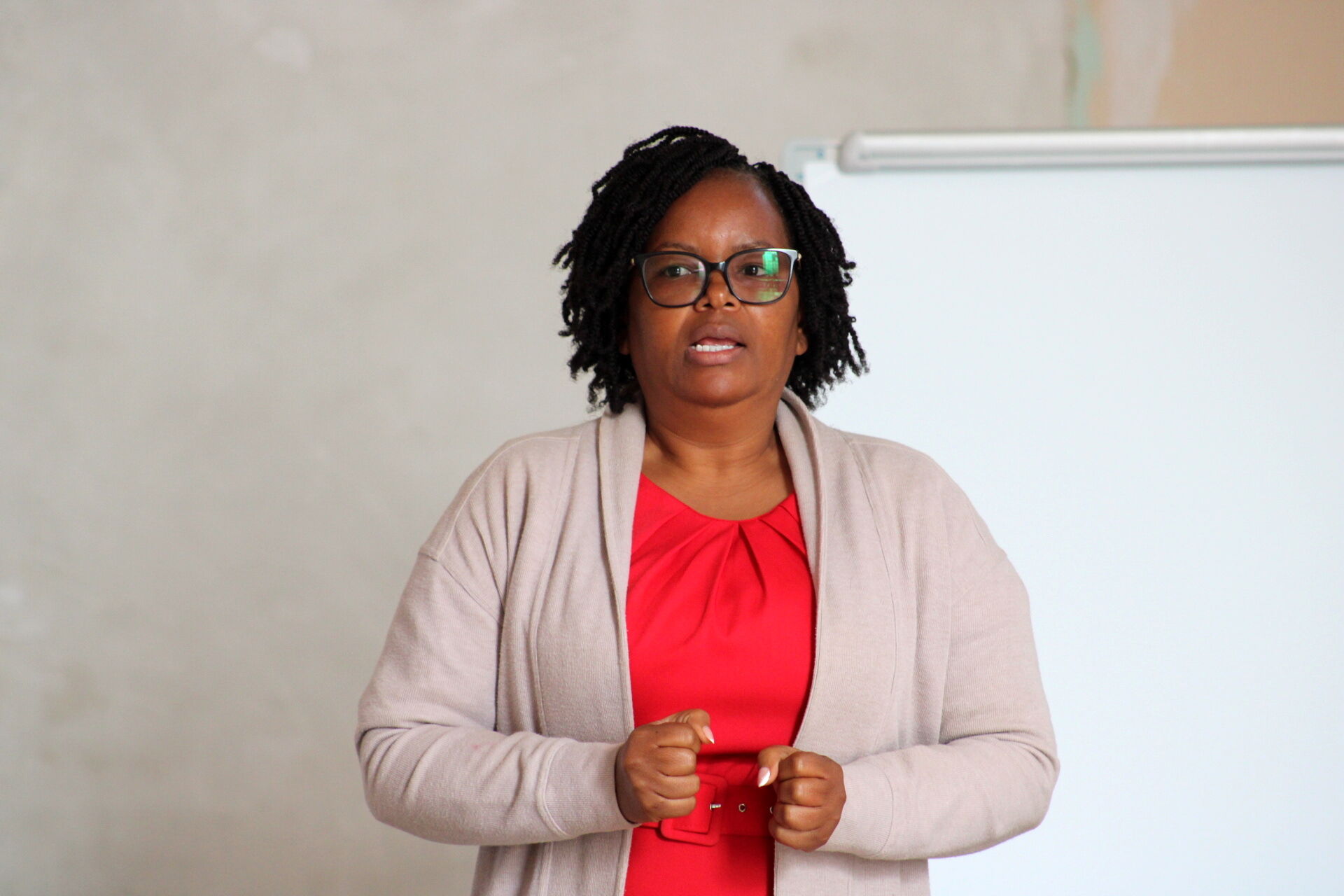
Day 1 opened with a presentation by Mr Patience Shava, who described SDG 5 as “A Divine Mandate for Modern Times.”
“Religion is decisive,” he emphasised. “And in a Christian context, it begins with understanding the Christian community, the church, as the body of Christ, within its historical and geographical context. In this community, in the church as the body of Christ, there is no division or inequality based on gender: ‘There is neither Jew nor Gentile, neither slave nor free, nor is there male and female, for you are all one in Christ Jesus’ (Galatians 3:28). How can this be articulated and strived for?”
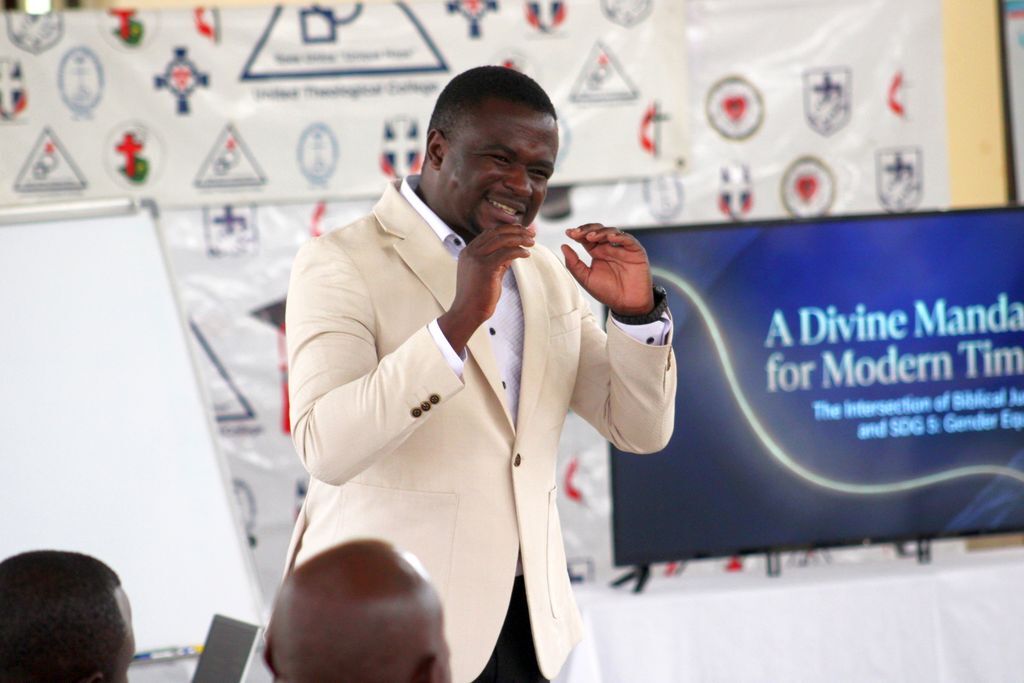
Lively discussions followed, with participants noting that while the world has moved past the age of denial of gender disparity, debates about what true gender equality means still continue. The diverse contributions highlighted the urgent need for a shared language among experts to foster genuine understanding and progress.
In his remarks, UTC Principal Rev. Dr Kupakwashe Mtata described SDG 5 as “Jesus’ agenda”.
“Jesus of Nazareth’s mission on earth was to bring the kingdom of God to fruition, a kingdom where justice and equality reign. His life and teachings exemplify the levelling of the playing field for all, regardless of gender or status,” he said. “He has shown us what true justice looks like, calling us to love one another as He has loved us.” (John 15:12)
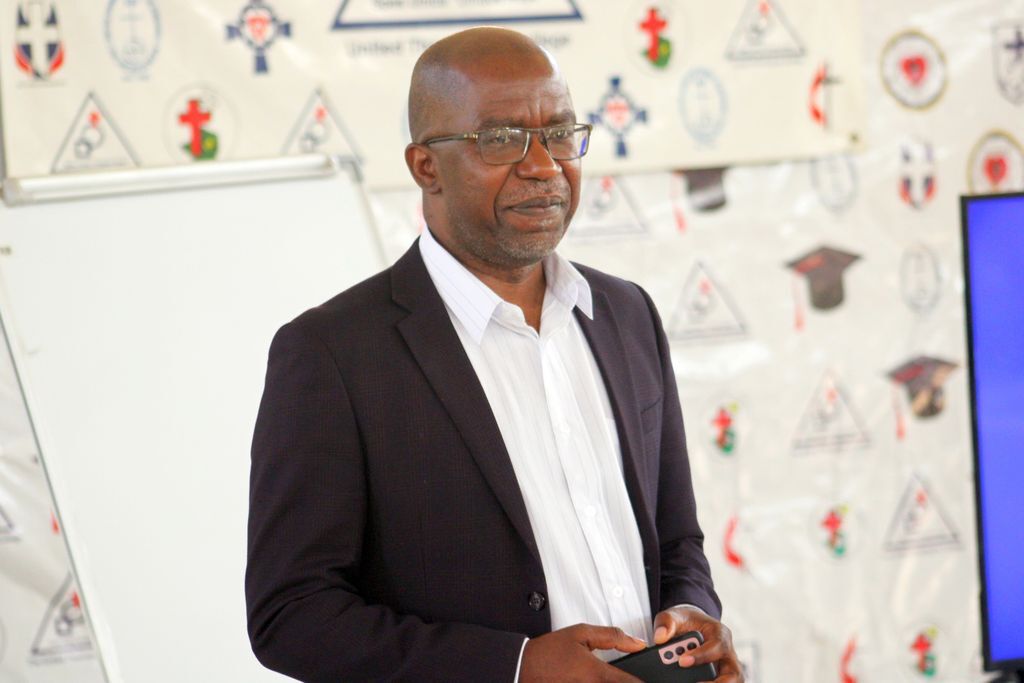
The workshop also explored why faith leaders matter for SDG 5. Faith leaders play a pivotal role in shaping societal values, norms of acceptable behaviour, life roles, and perceptions of what constitutes ‘a good life.’ For those of faith, religious identity is central to the development of laws, policies, programs, and relationships that influence and govern societies.
While religion can be a catalyst for positive change, since beliefs often inform ideas, it can also hinder progress, especially when religious institutions resist gender equality. That ambivalent nature underscores its significance: religion can either facilitate sustainable development or act as an obstacle, but it remains fundamentally relevant when change seeks to be rooted, lasting, and meaningful.
The series recognises that engaging faith-based actors, such as ministers-in-formation, can significantly influence the prevention of violence against women and girls (VAWG). These actors have the power to promote beliefs, norms, and practices that support VAWG prevention, but they can also perpetuate harmful norms if uncritically supported.
Empirical evidence confirms that influence cannot be ignored. In recent years, practitioners have effectively leveraged spiritual capital, using sermons, prayers, and religious rituals to diagnose issues and develop tailored interventions. Success has also been achieved by engaging top religious leaders supportive of gender equality, denouncing rituals that sacralise harm to women and girls, and developing new rituals that promote dignity and respect.
Faith-based actors are therefore increasingly recognised as key players in the prevention of VAWG and in achieving SDG 5 by 2030. Their capacity to facilitate dialogue at community, local government, and national levels makes their mobilisation crucial for widespread impact. Globally, regional, national, and local agencies are now partnering with faith-based and traditional actors in VAWG prevention efforts.
Gender equality is the fifth goal among the 17 Sustainable Development Goals adopted by the United Nations in September 2015, as part of the 2030 Agenda to promote a sustainable, peaceful, and equitable world. Each goal is accompanied by specific targets and indicators to measure progress.
Three further workshops in the series will continue to equip students and staff to lead churches that embody justice and inclusion.
Event Gallery