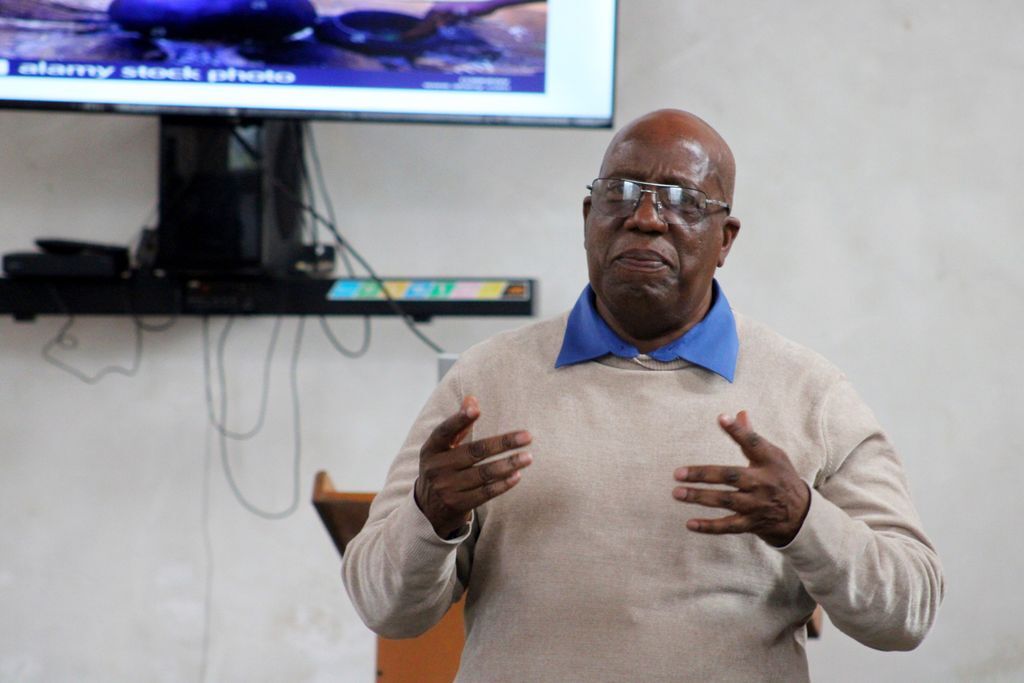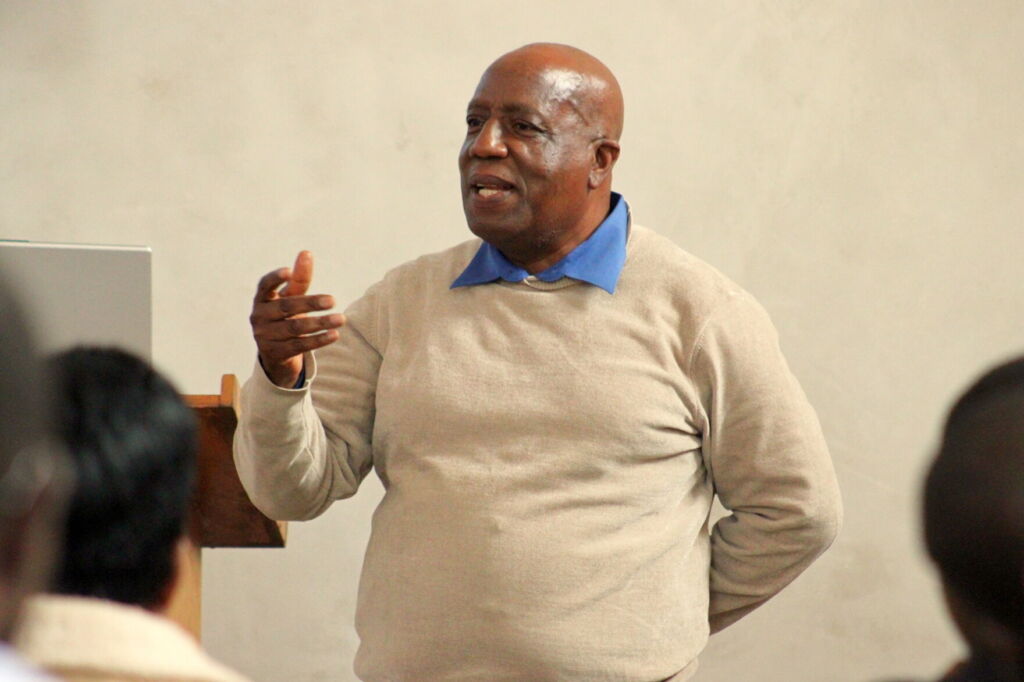
Harare, 12 March 2026 — On Wednesday, 11 March 2026, the United Theological College (UTC) had the honour of hosting Prof. Tabona Shoko from the University of Zimbabwe, who delivered an insightful paper titled “Beyond the Veil: Understanding the Critical Role of African Women in Religion During Pandemics and Shaping the Future.”
The session highlighted the diverse roles women in religious communities play within African societies, particularly during pandemics such as COVID-19 and HIV/AIDS.
It was a session that invited the college to look again. To look beyond the veil. Beyond what is often unseen, uncounted, and uncelebrated. And to recognise the women who held families, churches, and communities together when the world was falling apart.
Listening Deeply
Prof. Shoko’s research employed a variety of qualitative methods, designed to listen carefully to lived experience:
- In-depth interviews with women religious leaders, congregants, health workers, and healers, exploring personal narratives, roles, impacts, public health views, and symbolism.
- Focus Group Discussions to capture shared perceptions, norms, and collective responses across different religious groups, identifying commonalities, support structures, and health guidelines.
- Ethnography and Participant Observation by embedding researchers within communities to observe rituals and gatherings, and to understand adaptation processes, informal leadership, and faith-based coping strategies.
- Narrative Inquiry into personal stories revealing emotional, spiritual, and social impacts, resilience, and experiences of discrimination.
Together, these methods painted a rich and honest picture of faith in a time of crisis.
The Heavy Cost Borne by Women
The presentation also examined the pandemic’s impact on women, including increased unpaid care responsibilities, economic hardships marked by high job losses and income reductions, especially in the informal sector, risks to health and safety, and disruptions to education due to school closures.
Additionally, it addressed the rise in gender-based violence, child marriage, and teenage pregnancies during this period.
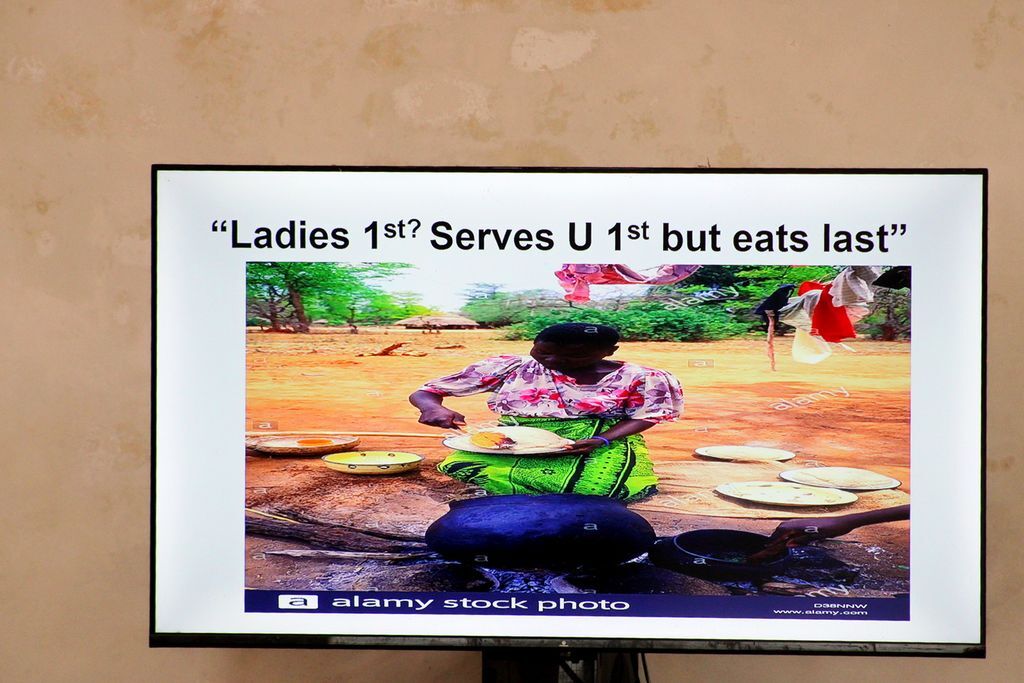
These were not abstract statistics. They were the daily realities of mothers, grandmothers, sisters, and daughters who were expected to care for the sick, feed the hungry, comfort the grieving, and still keep going.
Custodians of Wellbeing
A key focus was on the vital roles women play as custodians of family and community wellbeing, especially during crises.
These include providing spiritual and emotional support through prayers, counselling, and rituals; mobilising communities and disseminating health information via women’s groups such as guilds and Ruwadzano; and playing essential roles in healing systems intertwined with spiritual beliefs, offering remedies, advocacy, and leadership to challenge misinformation and destigmatise pandemics like HIV/AIDS and COVID-19.
In many communities, it was women who first noticed the illness, first organised the response, and first offered hope.
Shaping a Better Future
In terms of pandemic prevention, Prof. Shoko emphasised empowering women as health advocates, fostering interfaith and inter-sectoral collaborations, developing culturally sensitive communication strategies, strengthening community resilience through women’s networks, and formally recognising and integrating women leaders into pandemic planning.
He advocates for the co-design of interventions based on ongoing, context-specific research involving women’s active participation.
The message was clear: we cannot prepare for the next crisis without the women who carried us through the last one. Their leadership must move from the margins to the centre of planning, policy, and pastoral response.
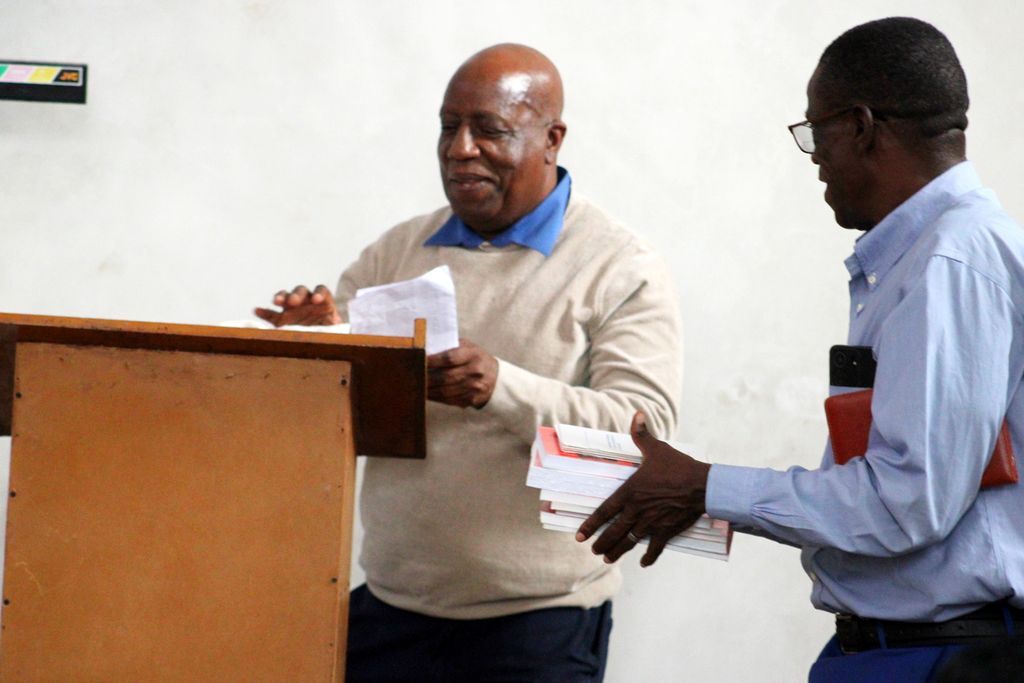
As a gesture of appreciation, Prof. Shoko kindly donated several books to enrich our College library.
In his closing remarks, Rev. Joseph Bonga, Dean of Academics, expressed gratitude for Prof. Shoko’s compelling presentation, noting its relevance given the significant representation of women in our churches.
UTC thanks Prof. Shoko for a presentation that challenged, enlightened, and inspired. May the conversation it started continue in our classrooms, our churches, and our communities.