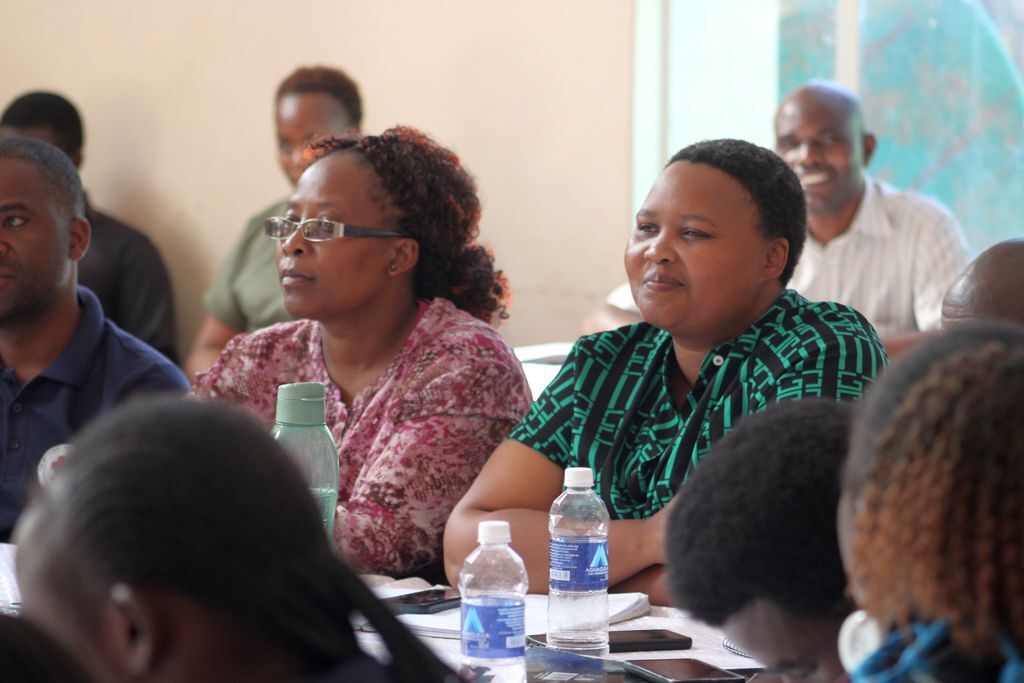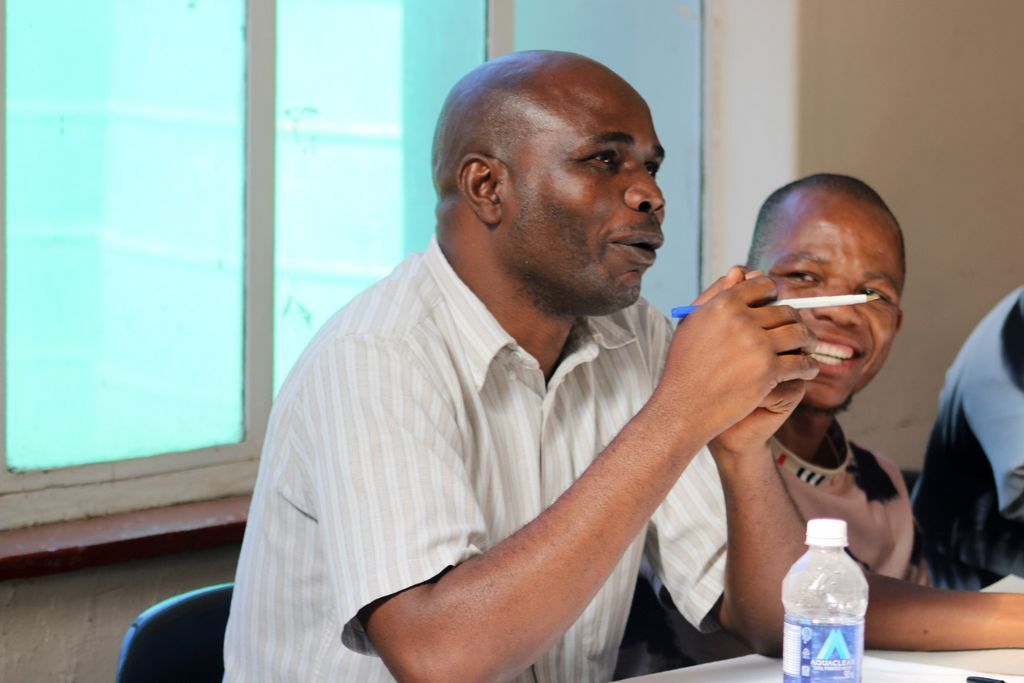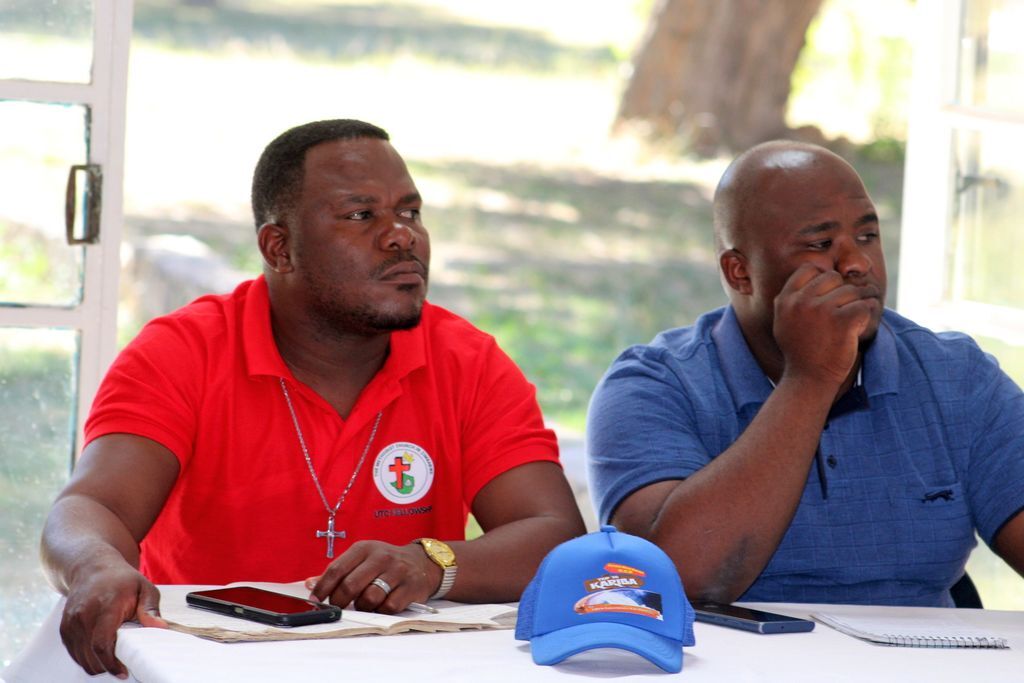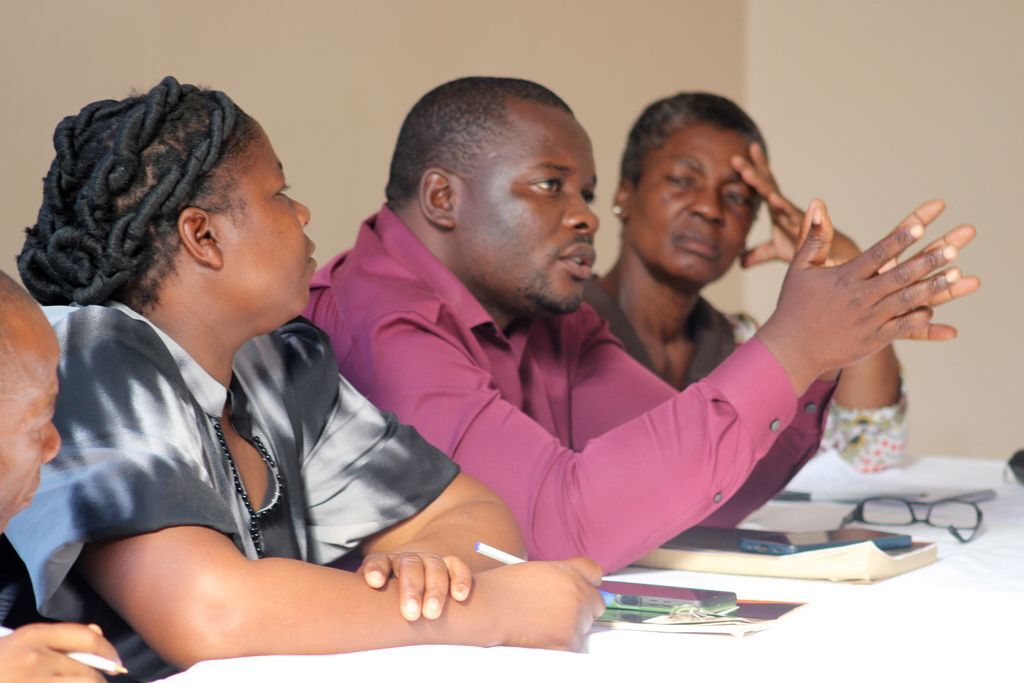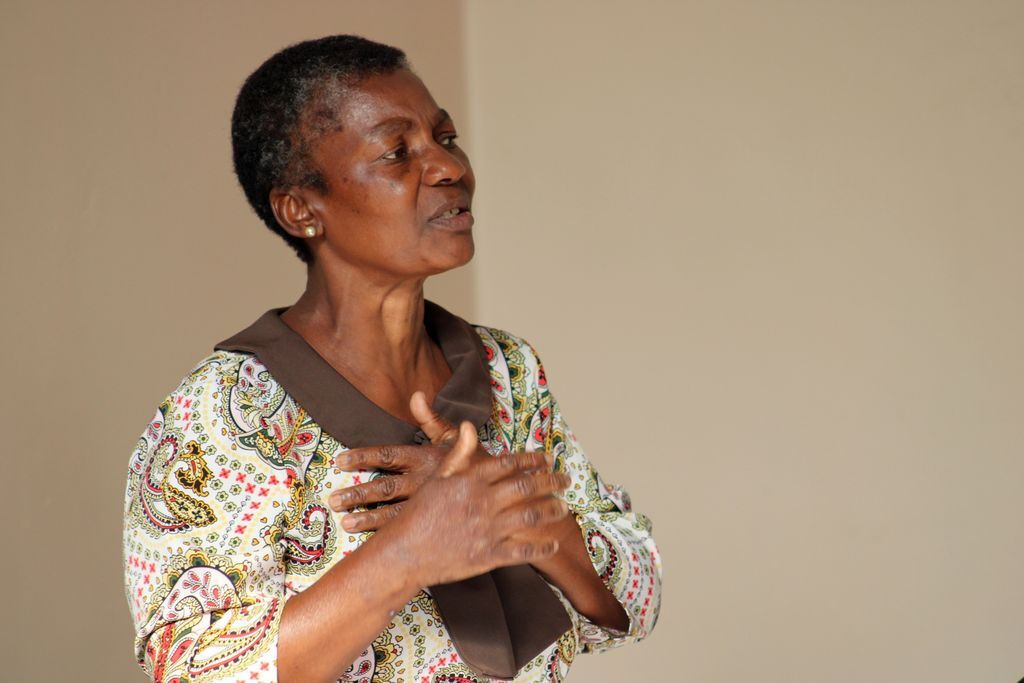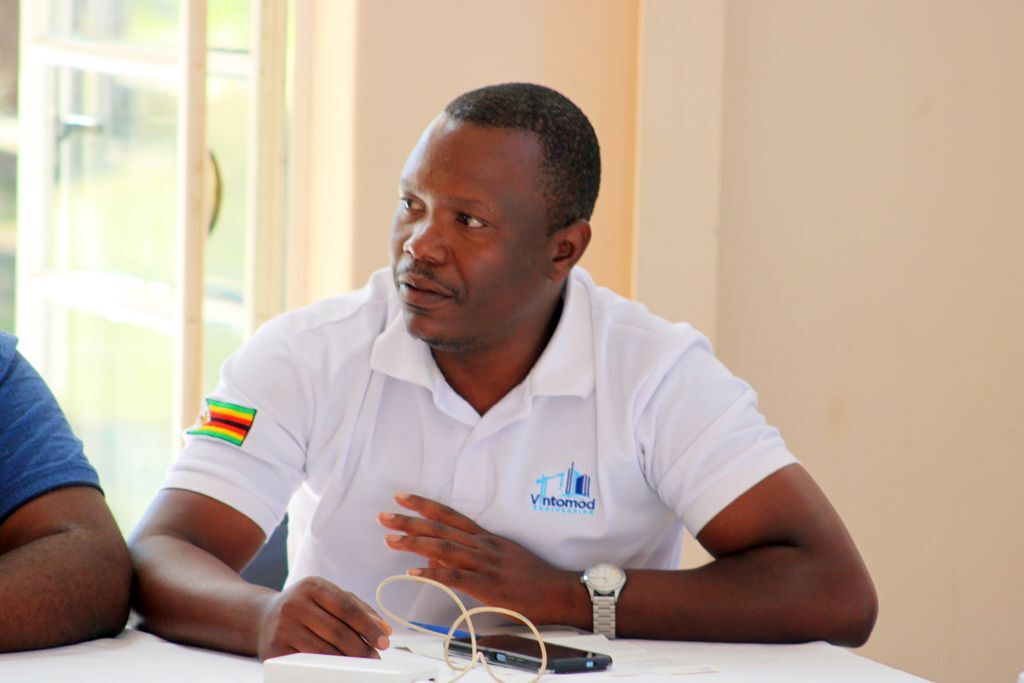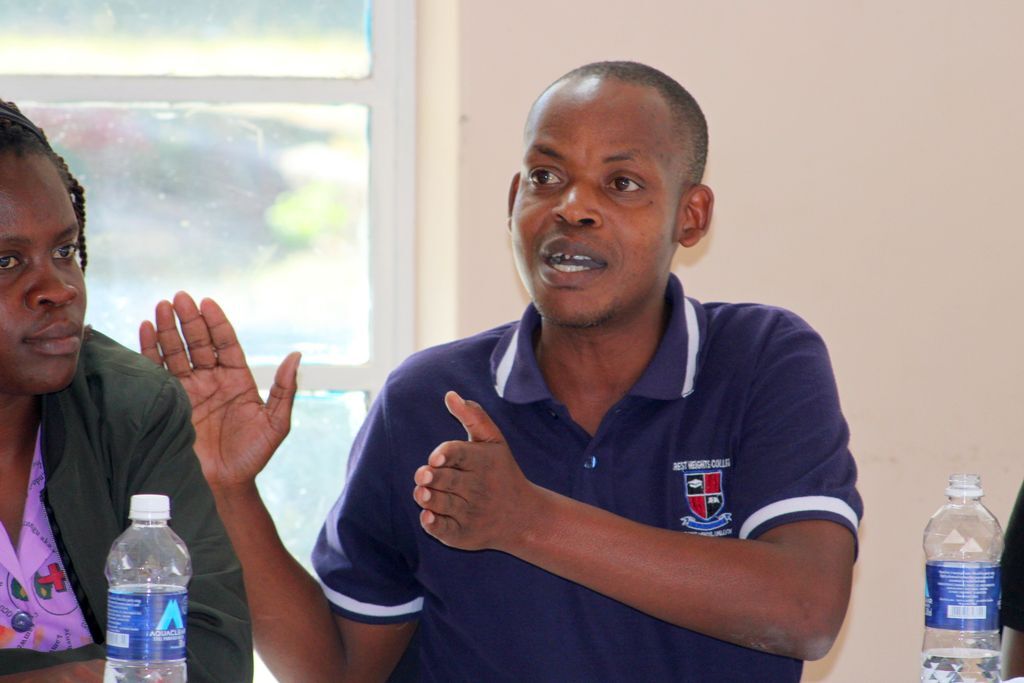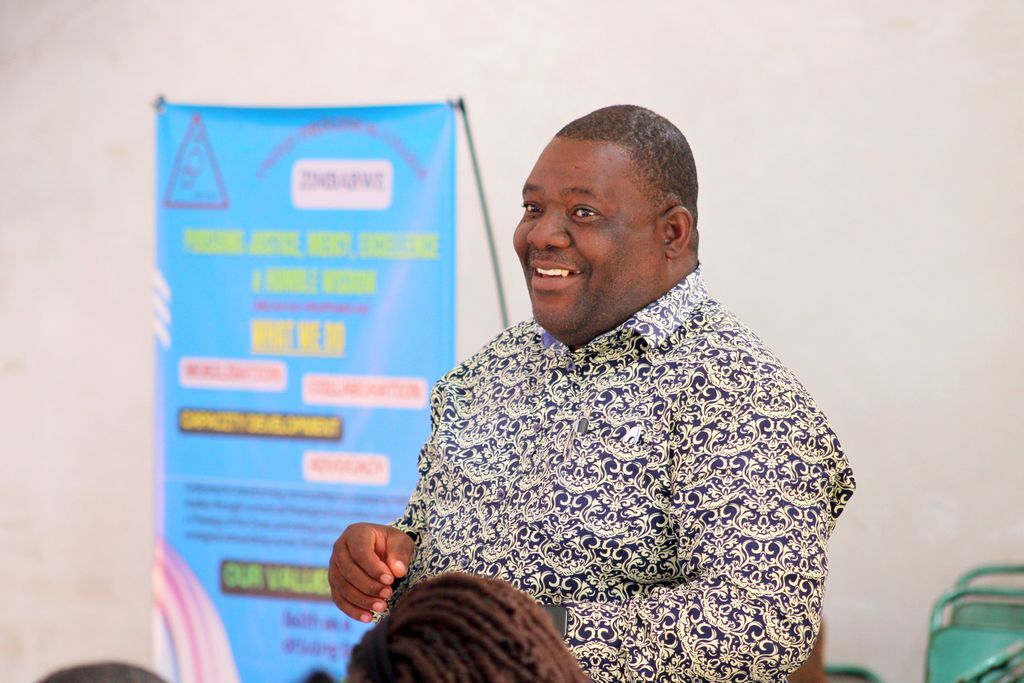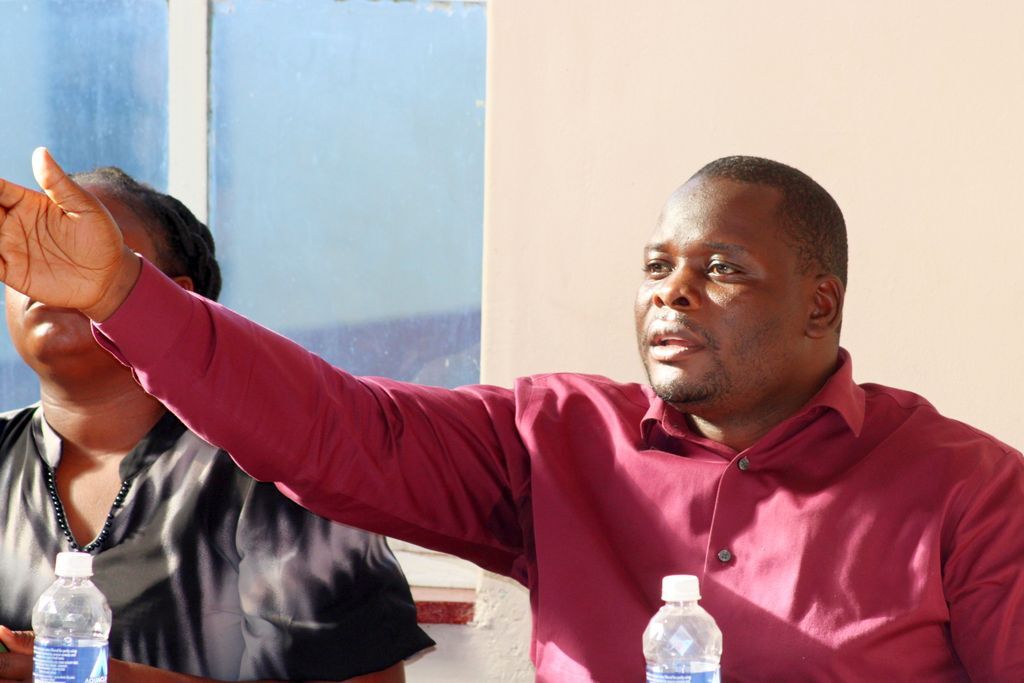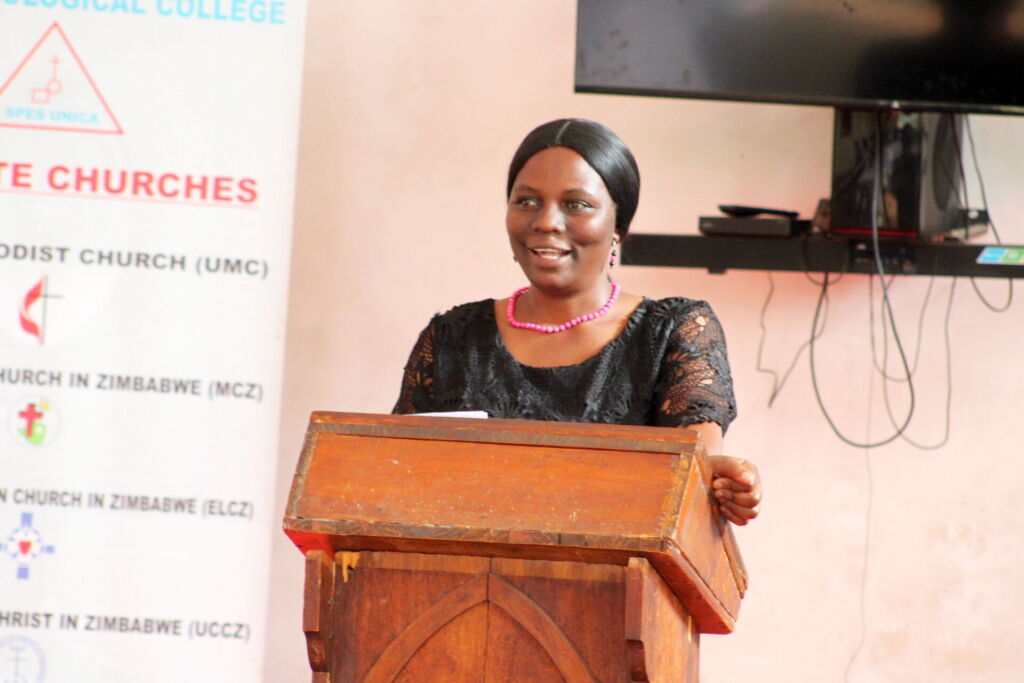
Harare, 6 May 2026 — The United Theological College concluded its four-part workshop series “Training Faith Leadership on Sustainable Development Goal 5: Gender Equality” on Monday, 5 May 2026, with a reflective final session that moved from insight to action. The 2026 freshmen class, alongside representatives from the sophomore and senior classes and members of staff, gathered under the Theology and Gender programme, facilitated by Rev. Linah Ndhlovu and supported by the Act Church of Sweden. The session served as both a synthesis of the previous three workshops and a commissioning of ministers-in-formation as agents of justice, with participants co-creating a practical action plan and identifying the support needed to implement it beyond the classroom.
The journey began with Session One, where Mr Patience Shava rooted gender justice in Galatians 3:28 while Rev. Dr Kupakwashe Mtata described it as “Jesus’ agenda” of justice and equality in the Kingdom of God. Session Two challenged participants to see gender as a social construct, reclaiming pre-colonial African women leaders such as Mbuya Nehanda and Kimpa Vita while critiquing colonial biblical interpretations that entrenched patriarchy through the lens of African womanist theology. In Session Three, the domination of women and the exploitation of nature were examined as twin legacies of patriarchal systems, with Scripture re-read through “Oikos” — Earth as God’s household — calling for theological, social and economic restoration.
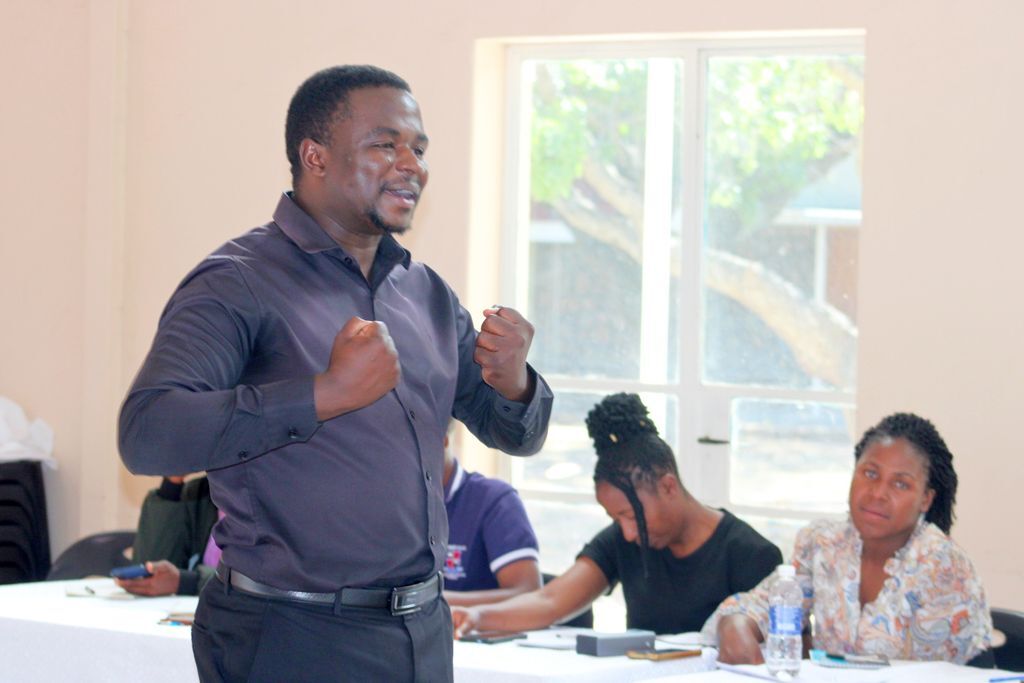
Looking ahead, ministers-in-formation named several key expectations for continued formation, including practical preaching tools such as sermon guides and liturgical resources using gender-inclusive and eco-sensitive language, safe spaces for dialogue to address gender-based violence and leadership without stigma, mentorship and accountability through pairing students with gender-justice mentors and advocates, and stronger community collaboration with women’s groups, traditional leaders, and NGOs to translate theology into impact.
From these discussions emerged a four-pillar action plan. Theologically, there is a call to integrate gender and eco-theology into the core curriculum and develop a UTC guideline for gender-inclusive language in chapel and liturgy, supported by access to African womanist and eco-theology texts by Oduyoye, Kanyoro, Boff and McFague, alongside faculty commitment to review the curriculum outlines.
Pastorally, the focus is on equipping ministers-in-formation to facilitate community dialogues on VAWG prevention using sermons, prayer and ritual, developing new rituals that affirm women’s dignity and ecological stewardship, and teaching young men how to live amicably with empowered women and girls, with senior pastors providing mentorship during field placements and timely workshops on trauma-informed pastoral care and safe church practices.
Socially and communally, UTC plans to launch outreach with local women’s guilds to address water scarcity and food insecurity as both ecological and gender issues while establishing a student-led gender justice and creation care club. Institutionally, the college committed to conducting an internal audit to identify where inequalities manifest in governance, classroom dynamics and church placements, with leadership pledging to act on audit findings and allocate budget for gender policy implementation, supported by workshops and refresher courses on gender sensitivity and inclusive pedagogy.
In her closing remarks, Rev. Ndhlovu reminded participants that the Kingdom of God is about restored relationships with God, one another and creation, and that attendees are now carriers of that restoration. Rev. Dr Mtata reaffirmed UTC’s commitment to embed SDG 5 into ministerial formation and to model the justice it preaches.
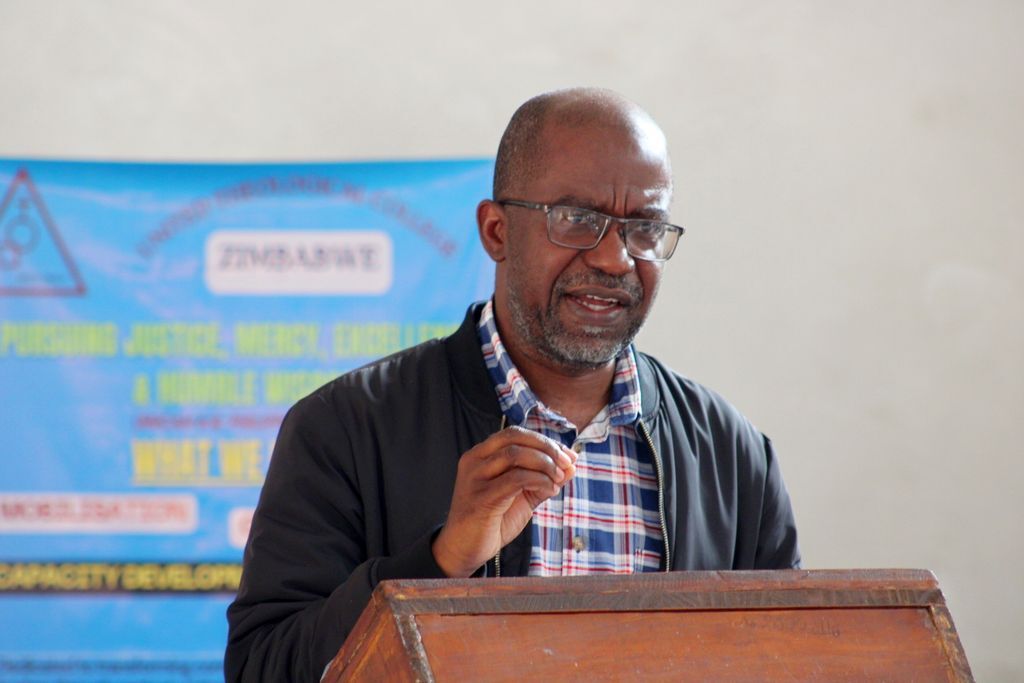
The consensus was clear that workshops on gender justice are core to theological training and that mentorship, resources, networking, follow-up trainings and institutional backing are essential foundations, without which good intentions risk fading once students return to their congregations. “We came to learn theology. We are leaving with a responsibility to heal relationships — in the church, in the home, and on the land. But we cannot do it alone. We need the college to walk with us,” reflected one student pastor.
Supported by the Act Church of Sweden, the series has positioned UTC to graduate leaders who are theologically grounded, socially responsive, and committed to partnership, dignity and inclusion.
Event Gallery