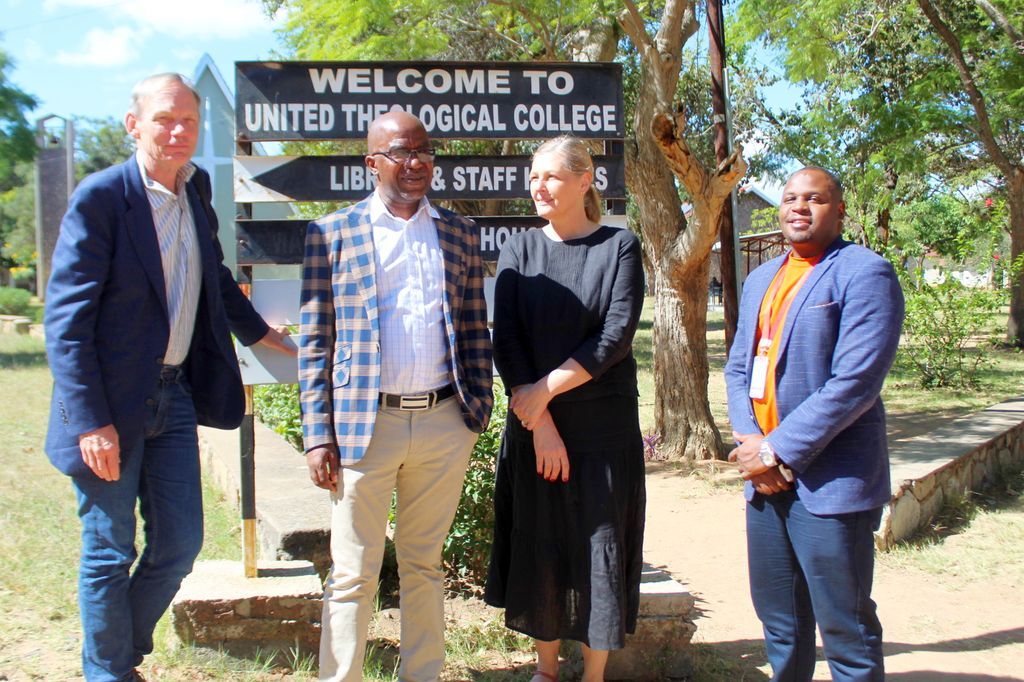
Harare, 14 April 2026 — The United Theological College (UTC) welcomed a delegation from the Act Church of Sweden (CoS) Africa Unit on Monday, 13 April 2026, for a high-level engagement to strengthen partnership and introduce the new Africa Hub leadership.
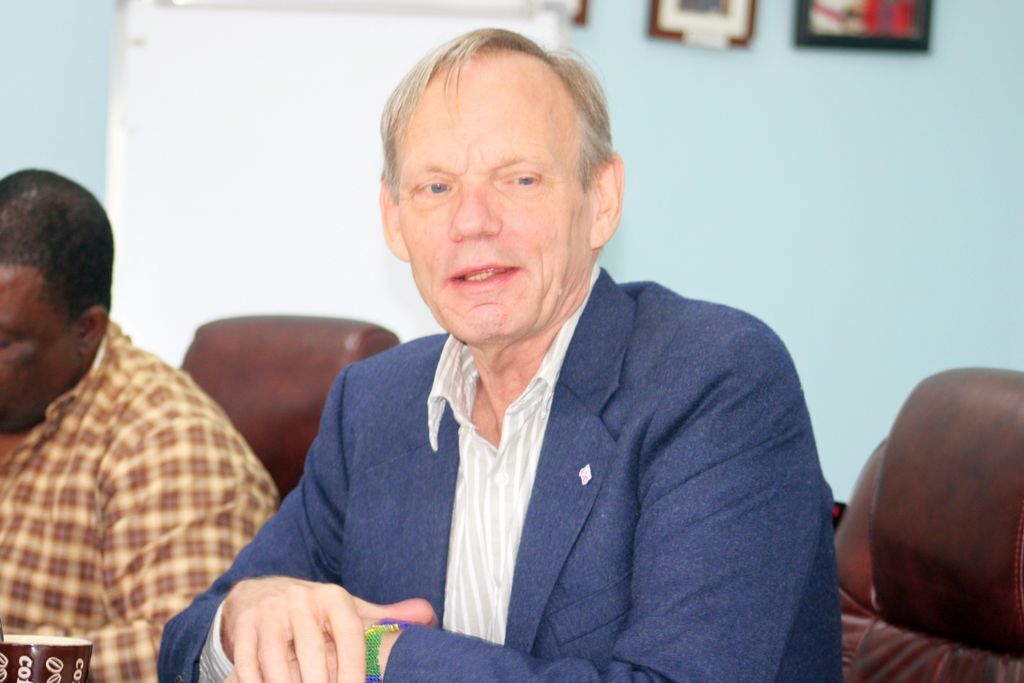
The visiting team included Lennart Hernander, Director of the Regional Hub; Obed Mugisha, Program Officer, both based in Kampala, Uganda; and Jacqueline Enerot, Regional Representative for Zimbabwe.
Act Church of Sweden is the international development and humanitarian arm of the Church of Sweden. Its work focuses on humanitarian response, long-term development, and global advocacy. Across Africa, the organisation strengthens local partnerships and applies a human rights-based approach to promote justice, working closely with churches and faith-based organisations.
The visit was part of a structured interface and introduction of the new Africa Hub leadership, following the Act Church of Sweden’s recent establishment of regional units. This restructuring is a key element of its new strategic plan to deepen presence and strengthen support for partner organisations working at the grassroots level.
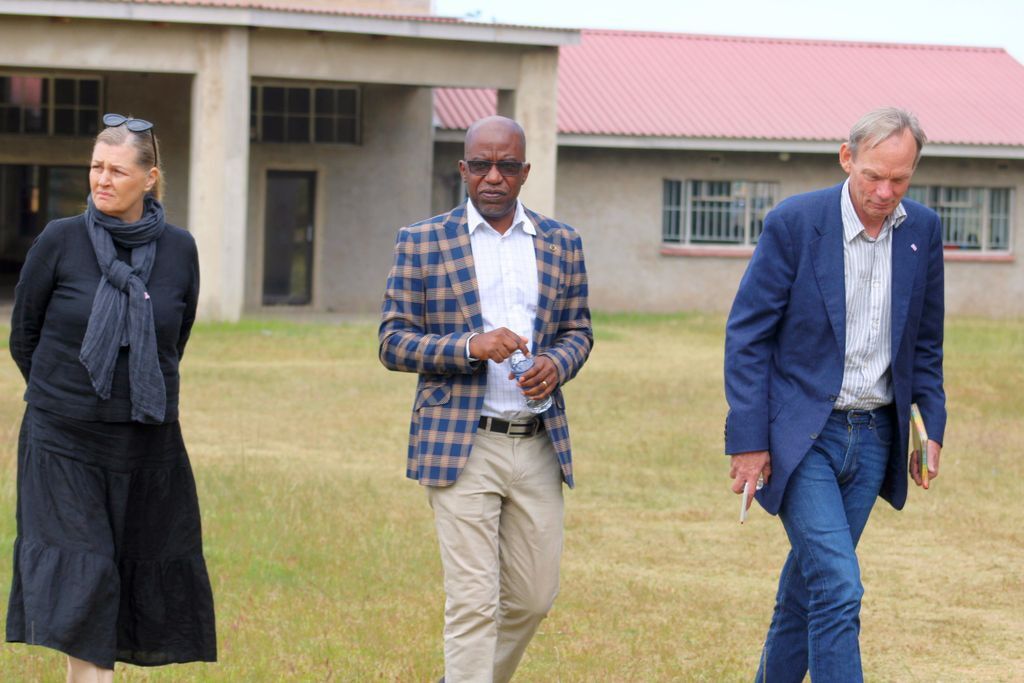
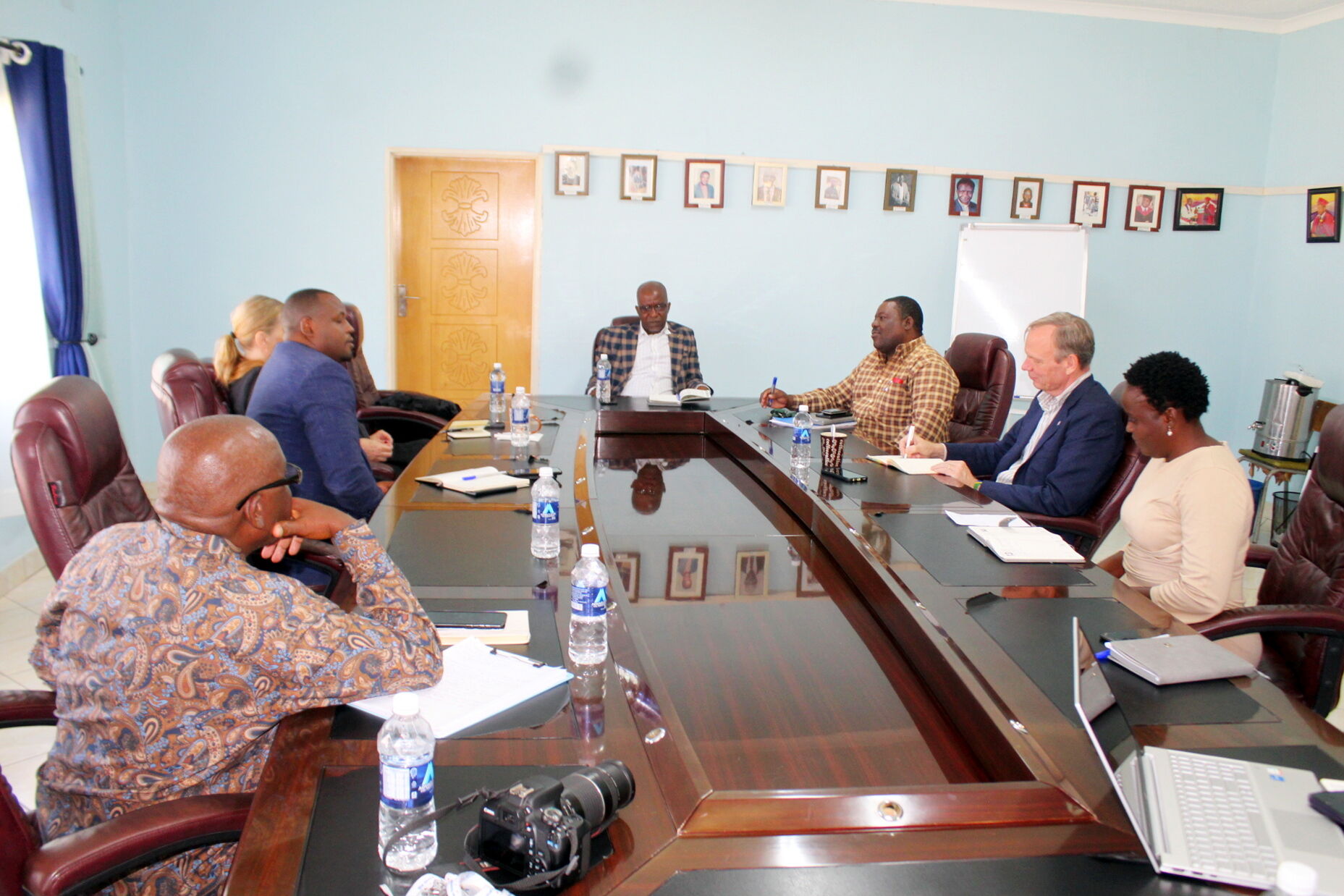
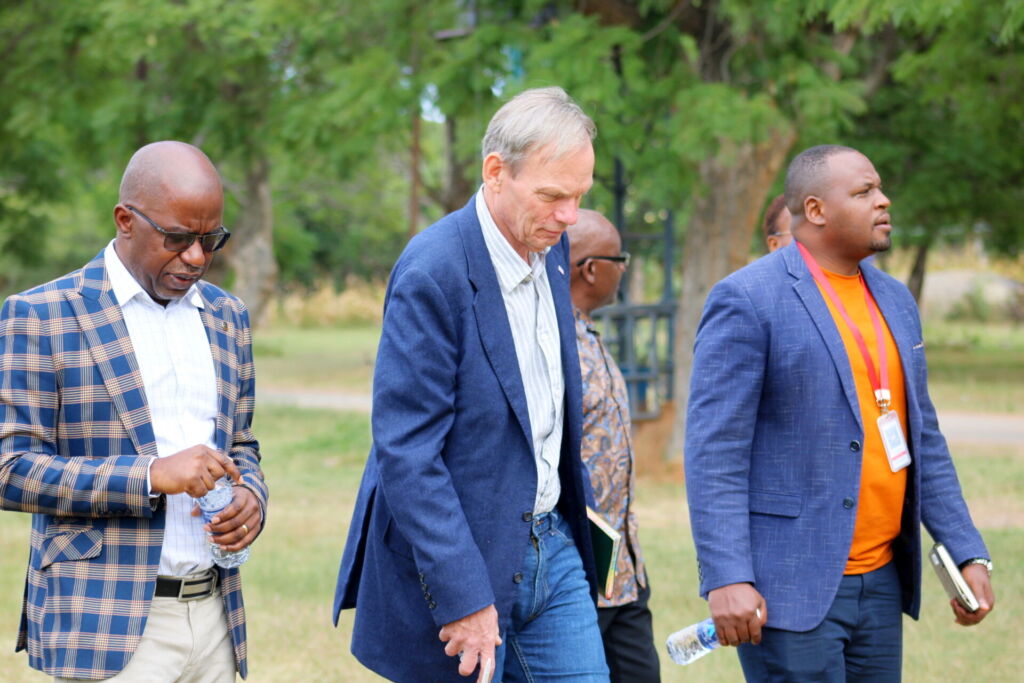
The day’s programme included a tour of UTC’s infrastructure, much of which has been supported by the Act Church of Sweden over the years. This was followed by strategic discussions mapping out the 2026-2028 collaboration framework between UTC and the Act Church of Sweden. Both institutions shared expectations, priorities, and desired outcomes for the next phase of partnership.

UTC and the Act Church of Sweden share a missional understanding that theological education is the Church’s tool for educating, supporting, and equipping people for various leadership roles in the service of the Church. They affirm that church leaders need a deep theological foundation, alongside a critical and self-critical approach to interpreting sacred texts, to the Church’s self-understanding, and to theological analysis of the present. These are prerequisites for churches to play a constructive and challenging role in the public space and to act as relevant societal actors that develop values, social cohesion, and trust.
For both partners, theological education and reflection encompass academic education, in-service training, and popular education of religious leaders, staff, and volunteers. It is part of the Church’s core mandate and a key method for achieving objectives within thematic areas and programmes. Through education, new knowledge is generated, and shared learning is achieved through common reflection.
The engagement reaffirmed mutual commitment, clarified joint priorities for 2026-2028, and strengthened the foundation for continued collaboration in advancing contextual, quality theological education in Zimbabwe and the region.